Monday, March 19, 2018

Tension-Type Headache: AKA: Tension Headache, Muscle Contraction Headache, Psychomyogenic Headache, Stress Headache, Ordinary Headache, Essential Headache, Idiopathic Headache and Psychogenic Headache.

Tension-Type Headaches are extremely common affecting the majority of the public at some time during their lifetime.  It is commonly associated with Stress or more accurately how patients react to stressful periods. 

There is often considerable cross over between Tension-Type headaches and Medication Overuse Headache.

Tension-Type Headaches can be mild, moderate or severe to very severe and frequently patients refer to them as "my Migraine".  Migraine in Children are often misdiagnosed Tension Type Headaches associated with Myofascial Trigger Points.  Because Migraine pathogenesis is also not well understood there is a great deal of crossover diagnosis.  

This recent study;  2018 Feb;22(2):385-392. doi: 10.1002/ejp.1127. Epub 2017 Sep 26.  "CHILDREN WITH MIGRAINE:  PROVOCATION VIA PRESSURE TO MYOFASCIAL TRIGGER POINTS IN THE TRAPZIUS MUSCLE?"  is an excellent example of research which confuses or fails to clarify migraine and tension-type headaches.  The article is excellent looking at headaches from triggerpoints in the Trapezius muscle.  (abstract below at ent of post)

To understand Tension-Type Headaches I believe it  is extremely important to understand and know all of the referral patterns identifies in MPD or Myofascial Pain.  Any physician or dentist is compromised in their quality of care without this knowledge and is likely to  prescribe excessive or inappropriate medications.  

 I believe it is impossible to make a proper diagnosis in many patients until both  active and latent  trigger points have been identified and managed.  This is an essential step in the differential diagnosis and should be completed prior to medication prescriptions for triptans and other medications.

The website www.TriggerPoints.net is an excellent resource for patients and physicians dealing with Tension-Type Headaches and Migraines.  It is taken from the testbook "Myofascial Pain and Dysfunction: A Trigger Point Manual"  

I recommend that my patients buy this book to better understand their pain patterns, how they can prevent myofascial trigger points from forming and how they can improve the pain from these trigger points. 

The precise mechanisms of Tension-type headaches are not well understood.  There are many discussions that differentiate central and peripheral mechanisms.

The first known fact about Tension Headaches (and Migraines) is that they are primarily disorders of the Trigeminal Nervous System and the Trigeminal Vascular System.

There is also no question that the autonomic nervous system plays an enormous role especially the Sympathetic nervous system and the balance between the sympathetic and parasympathetic nervous system.  

Chronic Tension Type Headaches are a serious condition that can severely decrease quality of life and cause considerable disability.  

All patients with Tension-Type headaches of a severe or chronic nature should have the effects of the autonomic nervous system evaluated as part of the diagnostic work-up with a minimally invasive Diagnostic Sphenopalatine (Pterygopalatine) Ganglion Block.   https://www.sphenopalatineganglionblocks.com/managing-chronic-headaches-spg-block-sphenopalatine-ganglion-block/

The use of self-administered Sphenopalatine Ganglion (SPG) Blocks can often have almost immediate relief of even severe pain and sometimes spontaneous remission of the underlying headache with repeated use.

These blocks reset the autonomic nervous system and help with stress response (sympathetic) turning off "Fight or Flight Reflex" and turn on the Parasympathetic Reflex ie "Feed and Breed or Eat and Digest Reflex"

There is an incredible histor of pain relief including a 1930 scientific article by Hiram Byrd on "Sphenopalatine Phenomena" and a 1986 popular book "Miracles on Park Avenue" documenting the practice of Dr Milton Reder who exclusively utilized SPG Blocks to treat patients varied types of pain.

Dr Ho published an extensive review Sphenopalatine Ganglion Blocks and Modulation in a 2017 paper.  https://www.sphenopalatineganglionblocks.com/sphenopalatine-ganglion-block-radiofrequency-ablation-neurostimulation-systematic-review/

The concept of Neuromodulation is extremely important because it helps explain the amazing successes of neuromuscular dentistry in treating and eliminating headaches and migraines.  A basic concept in Neuromuscular Dentistry is utilizing the Myomonitor to relax muslces inervated by Trigeminal and facial nerves to find neuromuscular rest and occlusion which serves to give a healthy reset to the trigeminal nervous system as a patient functions and swallows.

The Myomonitor also acts as a Neuromodulation device of the Sphenopalatine Ganglion.  There is an incredible 50 year safety record of Sphenopalatine Stimulation with the Myomonitor when used by Neuromuscular Dentists.

Understanding how these processes work is important.  It is also important to hear patients stories.  This is a link to over 100 patient videos who have been treated with Neuromuscular Dentistry and SPG Blocks for Tension-Type Headaches, Migraines, TMJ disorders, Myofascial Pain and referred headaches and related sleep disorders.

https://www.youtube.com/channel/UCk9Bfz6pklC7_UluWFHzLrg/videos

PubMed Abstract
 2018 Feb;22(2):385-392. doi: 10.1002/ejp.1127. Epub 2017 Sep 26.

Children with migraine: Provocation of headache via pressure to myofascialtrigger points in the trapezius muscle? - A prospective controlled observational study.

Abstract

BACKGROUND:

The objective was to evaluate a supposed clinical interdependency of myofascial trigger points and migraine in children. Such interdependency would support an interaction of spinal and trigeminal afferences in the trigemino-cervical complex as a contributing factor in migraine.

METHODS:

Children ≤18 years with the confirmed diagnosis of migraine were prospectively investigated. Comprehensive data on medical history, clinical neurological and psychological status were gathered. Trigger points in the trapezius muscle were identified by palpation and the threshold of pressure pain at these points was measured. Manual pressure was applied to the trigger points, and the occurrence and duration of induced headache were recorded. At a second consultation (4 weeks after the first), manual pressure with the detected pressure threshold was applied to non-trigger points within the same trapezius muscle (control). Headache and related parameters were again recorded and compared to the results of the first consultation.

RESULTS:

A total of 13 girls and 13 boys with migraine and a median age of 14.5 (Range 6.3-17.8) years took part in the study. Manual pressure to trigger points in the trapezius muscle led to lasting headache after termination of the manual pressure in 13 patients while no patient experienced headache when manual pressure was applied to non-trigger points at the control visit (p < 0.001). Headache was induced significantly more often in children ≥12 years and those with internalizing behavioural disorder.

CONCLUSION:

We found an association between trapezius muscle myofascial trigger points and migraine, which might underline the concept of the trigemino-cervical complex, especially in adolescents.

SIGNIFICANCE:

In children with migraine headache can often be induced by pressure to myofascial trigger points, but not by pressure to non-trigger points in the trapezius muscle. This supports the hypothesis of a trigemino-cervical-complex in the pathophysiology of migraine, which might have implications for innovative therapies in children with migraine.
PMID:
 
28952174
 
DOI:
 
10.1002/ejp.1127

HEADACHES due to Prevertebral Muscles and Retropharyngeal Tendonitis: Headaches often related to turning head upwards.

The prevertebral muscles and tendons are difficult to address and oftey interfere with healing and recovery.  They are frequently injured in whiplash injures and symptoms can linger for years or even decades.

"Headache attributed to retropharyngeal tendonitis" is classified by "The Third Classification of Headache Disorder, 3rd addition" 
Diagnosis Code 11.2.2

Raising of the eyes by tilting of the head can cause both referred pain, aching and headache.  These muscles and tendons extend over the top 3-4 vertebrae to the skull.   There is a frequent involvement of the upper cervicl complex.

While Neuromuscular Dental Orthotics address the majority of head and neck symptoms by  restoring structural and muscular balance NMD does not correct upper cervical vertebrae.

These can be addressed by specially trained osteopaths and chiropractors.  Atlas-Orthoganol chiropractors wok on the first vertebre (the Atlas) and the second vertebrae (the Axis) and their relation to the skull.   They deliver a precice adjustment to the upper cervical region.  NUCCA chiropractors address the same area utilizzing different techniques.  Both work well as does the osteopathic approach.

It is important to have a stable neuromuscular orthotic before doing the adjustment (on combination cases) and it is often necessary for a patient to have both adjustments on the same day.  Typically, the nuromuscular orthotic is corrected after the A/O adjustment.

I work closely with Dr Mark Freund on patients requiring upper cervical corrections.  https://www.northshoreatlas.com/atlas-orthogonal.

Addressing the fascial and muscular disorders of the prevertebral region is usually started by a very gradual passive gentle stretch with the patient laying on the floor with a very small towel roll under the shoulders allowing the head to extend and tip backwards.  If there is pain or discomfort the size of the towel roll is reduced.  Typically 20 minute sessions that also combine very slow diaphragmatic breathing will let these muscle release their taut bands and tension.  Overdoing the stretch impedes progress.

The scalene muscles are usually also involved in  creating problems but they can be addressed with ULF-TENS (Myomonitor), Spray and Stretch techniques, correction of paradoxical breathing issues and other physical modalities.

Sufficient Magnesium and calcium levels are important for muscle relaxation.
Feldenkrais and Alexander techniques work well in patients with these disorders as do Paul St John techniques.

All of these techniques work best with well balanced neuromuscular orthotics.  The Aqualizer appliance is a self balancing hydrostatic appliance that can also be extremely useful.  Italian studies show it relaxes muscles throughout the body.

I frequently have my patients walk and run up and down stairs in these appliances to let the body and spine unwind and the muscles relax prior to adjusting neuromuscular appliance.

Aqualizers are almost a necessity when having A/O adjustments for patients traveling from one office to another.

Cranial Manipulation is another instance where the Aqualizer is incredibly useful as a patient goes from cranial doctor to have his Neuromuscular Orthotic adjusted.

Dr Mark Freund also utilizes Cranial work.   https://www.northshoreatlas.com/cranial-suture-release

His Highland Park office is across the hall from my Highland Park office:
www.ThinkBetterLife.com

Prevertebral muscle and tendon issues can be very difficult and working with multiplle professionals is key to success.


Sunday, March 18, 2018

Headache Attributed to Acute Rhinosinusitis: Sphenopalatine Ganlion (SPG) Block is First Line Treatment

Headache caused by Acute Rhinosinusitis  (ICHD-3: 11.5.1 and Headache attributed to chronic or recurring Rhinosinusits (ICHD-3; 11.5.2) have specific diagnosis codes in the International Classification of Headaches but this does not answer the question of the best treatment for these disorders.

It is generally accepted that narcotics and other pain medications are probably not indicated (contra-indicated) in the majority of patients.

The treatment likely to give the fastest relief in these types of headaches is a Sphenopalatine Ganglion (SPG) Block which can often give almost instantaneous relief and also reduce anxiety and create a sense of general well being.

SPG Blocks are actually indicated as a treatment for Vasomotor Rhinitis.  The problem with this treatment is that it requires a trip to your physician, neurologist, ENT physician or emergency room.   I have taught hundreds of Neuromuscular Dentists (ICCMO.org) to use my technique.

Self-administration of Sphenopalatine Ganglion Blocks  is an easy procedure and ideally it can be done as an attack begins before the patient experiences increasing pain, anxiety or triggering of a more severe migraine headache.

I routinely teach patients to Self-Administer these blocks in my practice.
www.ThinkBetterLife.com.  I have also built a site dedicated to the art and science of Sphenopalatine Ganglion Blocks and to promote their use and the concept of self-administration.

This link is to an article on that site concerning sinus and nasal issues with SPG Blocks.

Vasomotor Rhinitis Treatment with SPG Block 

 https://www.sleepandhealth.com/vasomotor-rhinitis-treatment-spg-block-sphenopalatine-ganglion-blocks/

The following is a video of a man who became a physician after experiencing a Sphenopalatine Ganglion Block during an Acute Sinus Headache which gave him excellent relief.  He specifically became a physician to help patients but never learned the technique and after 10 years left the practice of medicine and became an artist.  I took this video the day he learned for the first time what a Sphenopalatine Ganglion Block was.
 https://www.youtube.com/watch?v=Sn46l_nH9-A

While the reason to do an SPG Block may be to treat the severe pain, long-term these "Miracle Blocks" can actually help the body recover from the original condition.  The book "Miracles on Park Avenue" detailed the practice of Dr Milton Reder an NY city ENT whose entire practice was delivery of SPG Blocks.

According to ICHD-3 these headaches can be mistaken for Migraine and Tension-Type Headache.  If the diagnosis is one of these other types of headaches the same block will still give almost immediate relief in a majority of patients.  This video is a patient who suffered severe migraines for 10 years shortly after she had her first SPG Block:
 https://www.youtube.com/watch?v=DCPLDRJ2twg&t=1s

What is the Sphenopalatine Ganglion?  It is the largest Parasympathetic ganglion of the head and is located in the Pterygopalatine fossa on the maxillary division of the trigeminal nerve.  It carries both somaticsensory nerve fibers and autonomic nerve fibers from both the sympathetic and the parasympathetic divisions.  It was originally described in 1903 bu Sluer and is often called Sluder's Ganglion.  It is also known as the Nasal Ganglion, the Pterygopalatine ganglion and  Meckel's ganglion.

Sluder described instant relief from "Sluder's Neuralgia" after a transnasal block.  This is now thought to be either a Cluster Headache or TMJ disorder.

There are multiple methods to preform Sphenopalatine Ganglion Blocks.  They can be done by intra-oral or extra-oral injections but are more commonly done with nasal catheters or cotton-tipped applicators.

There are three commercial nasal catheters available, the Sphenocath which is the first and the one I utilize in some patients with tight nasal passages.  The Allevio whic is similar to the Sphenocath.  The third type is the TX 360 that has a double barrel approach for delivering anesthetic to right and left nostrils. that I now have available in my office and is the device used specifically for the MiRx protocol.   They are all basically "squirt guns" designed to deposit anesthetic over the nasal mucosa the covers the very thin plate of bone covering the Sphenopalatine Ganglion.

My preferred method of delivery SPG Blocks is a cotton-tipped nasal catheter that delivers continual capillary feed of lidocaine to the same area where the Sphenocath, the Allevio and the TX 360 deliver anesthetic.  The nasal ctheter can be used straight from the package or can be adapted for even better results.

The reasons I utilize the cotton-tipped catheters are:
1.  It is very easy to teach the majority of patients to self-administer SPG Blocks.
2.  It is very cost effective allowing patients to self administer bilateral SPG blocks for less than $1.00.  The other devices are designed for single use and cost approximately $75.00 for the device.
3.  Continual capillary delivery is far more effective based on my observations and is more convenient for the patient.  Ideally using the other catheters that patient should lay supine (on back) for 20 minutes.  The continual feed allows the patients to continue to do their normal daily activities while the block is working.
4.  The block can be kept in for longer periods of time and can be used more frequently.  Repetitive blocks can  decrease frequency of headaches or eliminate them completely.
5.  They are easily modified and patients can self modify as needed.

Sphenopalatine Ganglion Blocks are considered to be an under utilized pain management technique.
 https://www.sphenopalatineganglionblocks.com/sphenopalatine-ganglion-block-underutilized-tool-pain-management/

The location of the Sphenopalatine Ganglion is very important and explains why Neuromuscular Dentistry is so effective in long term corrections of TMJ disorders and associated pain.  The Myomonitor used to relax the muscles is a
ULF-TENS that also acts on the Sphenopalatine Ganglia acting as a neuromodulation technique.  Neuromodulation of the SPG is being researched worldwide as a cure or treatment of migraines and other intractabler headaches.

There is a 50 year safety record of SPG neuromodulation with the Myomonitor.

Intractable/ Refractory Headaches and Migraines: SPG Blocks (Sphenopalatine Ganglion Blocks) May be the Fastest Safest Treatment

https://www.sphenopalatineganglionblocks.com/intractable-headaches-migraines-sphenopalatine-ganglion-spg-blocks-may-fastest-safest-treatment/

Friday, March 16, 2018

Migraine: Somatotosensory and Autonomic Nervous System Underlie Complex Pathophysiology. Treatment should address both systems.


The complex nature of migraines often leads to confusion, misdiagnosis and mistreatment.  There is an excellent article from the Journal of Neuroscience "Migraine: Multiple Processes, Complex Pathophysiology (abstract below).  Treatment of migraine can often be very easy but the traditional approach can make migraines more difficult to treat. 

Treatment and Elimination of headaches and migraines is most effective if it addresses both the Autonomic and Somatosensory nervous systems.

According to this paper " These molecular, anatomical, and functional abnormalities provide a neuronal substrate for an extreme sensitivity to fluctuations in homeostasis, a decreased ability to adapt, and the recurrence of headache. "  This means that it is a disturbance in Homeostasis of the brain.  It is important to understand this because the primary cause of changes occuring in the brain is from neurological and vascular input from the body.  The single largest source of input is through the Trigeminal Nerve.

Homeostasis is when all systems are in proper balance and actively respond to changes to restore thaty balance, ie Homeostasis.  This can be compared to a computer, when is is in balance all of software and hardware work correctly.  We have all had a computer crash or lock up.  This would be equivilant to losing Homeostasis.  We reset our computer with "Control /Alt /Delete" which turns off the computer and resets it to the correct settings.  The best way to treat migraines is to reset our brain to restore Homeostasis.  The reasons computers crash is usually an I /O or input /Output error or simply "GARBAGE IN / GARBAGE OUT"  This article will discuss resetting the brain or finding our Control/Alt/ Delete button for our brain to decrease or eliminate headaches and migraines.

Noxious input from the Trigeminal Nerve to the brain responsible for almost all headaches and migraines.  Noxious input is essentially  the "Garbage in".  If there is too much garbage in the computer crashes; in terms of our brain this would be symptoms of headache, migraine, dizziness, tinnitus or many other common symptoms. 

There are two types of nerves that travel through the Trigeminal Nervous System, Somatosensory nerves and Autonomic Nerves.  The Somatosensory Nervous  System is the part we are aware of using, how we move, use our muscles, and do most of our daily activities.  When there are issues with pain or dysfunction we adjust using the Somatosensory nerves.

The Autonomic Nervous System is where activities we don't control occur.  This can be heart rate, digestion, love, fear, how are pupils dilate or constrict in  response to light or we get goose bumps or shiver in response to cold or sweat in response to excessive heat.  We cannot voluntarily control these or have only partial control  

The Autonomic Nervous System is divided into two divisions the Sympathetic division and the Parasympathetic division.  The sympathetic division is responsible for preparing our bodies to take action.  The Sympathetic reflex is the "Fight or Flight reflex"  We send blood to our brain and muscles and get ready to defend ourselves or run like crazy.  For a more primitive lifestyle this is perfect but if you are sitting in a classroom or an office this reflex causes chronic stress.  

The Parasympathetic Division gives us the "Feed and Breed" or "Eat and Digest" reflex.  It sends blood to our gut, slows are heart rate, allows sleep, rest, feelings of love and friendship, puts you into the mood for romance, gives us the good feeling we get playing with babies, puppies and kittens.  If the Sympathetic reflex helps the indivdual survive the parasympathetic iprovides for survival of the species.

We require a balance of these two systems to survive and usually one or the other predominates depending on what is happening in our life.  If the sympathetic system gets "stuck on" we suffer from stress diseases.  This was first described by Hans Selye in his book "The Stress of Life"  He was one of the first to explain the adverse health effects of stress on our brain and body.  This includes headaches and migraines.

When we get out Sympathetic system "Stuck on" it creates problems and destroys the state of homeostasis leaving us "out of balance"  This is the equivilant of our computer crashing.  To reset our brain we need to reset our autonomic nervous system.  One reset button is the Sphenopalatine Ganglion (SPG) Block

For headaches, Migraines, Anxiety and Stress diseases the switch to reset our autonomic nervous system is the Sphenopalatine Ganglion located on the maxillary division of the Trigeminal Nerve in the Pterygopalatine fossa.  It is a small part of the brain outside the calvarium where most of the brain is and located behind the nose.  

A Sphenopalatine Ganglion (SPG) Block can reset the brain and turn off many types os sympathetic overloads, often giving instant relief of migraines, chronic headaches, tension-type headaches and cluster headaches.  Due to the position behind the nose it is easily accessible.  I will explain more about SPG Blocks later.

The second method that can easily reset brain and restore Homeostasis is thru Neuromuscular Dentistry.  Neuromuscular Dentistry utilizes an Ultra Low Frequency (ULF) TENS to relax muscles innervated by the fifth cranial nerve (trigeminal nerve) and the seventh cranial nerve (facial nerve).
While pulsing the muscles the myomonitor also acts as a stimulator or neuromodulator of the Sphenopalatine ganglion, resetting the autonomic nervous system and returning us to a state of Homeostasis.

Both methods of affecting the Sphenopalatine Ganglion return us to Homeostasis by different pathways.  The SPG Blocks can be done by injection but the most common method is by nasal catheter.  Three commercial devices utilized are the Sphenocath, the Allevio and the TX 360.  They are all basically squirt guns that squirt anesthetic to the mucosa over the Pterygopalatine Fossa that holds the Ganglion and are usually done in the ER or in a Neurologist's office.

The best method, in my opinion is to teach patients to self -administer SPG Blocks using cotton-tipped catheters that offer continual capillary feed of anesthetic to the area of the ganglion. Regardless of the method used SPG Blocks are a resetting mechanism for the Autonomic nervous system. 

Another part of the Autonomic Nervous System is the Stellate Ganglion and research has shown that  a single shot of anesthetic can "CURE PTSD" which is amazing!  I have found that patients with PTSD respond very well to repetitive self administered SPG Blocks as well.

All of these approaches address headaches, Migraines, Depression, Anxiety and other "Stress" disorders by restting the brain and restoring Homeostasis or Balance.  Neuromuscular Dentistry also restores balance thru the somatosensory system with the aid of the Myomonitor and the Diagnostic Neuromuscular Orthotic.

Compare these treatments to the typical drug approach where first one and then another drug is used to control headache pain, each and every drug has multiple side effects and change brain chemistry and neurotransmitters.  Drug overuse and withdrawal pains are common.  BOTOX uses a neurotoxin to disconnect muscles and brain rather than restoring them to a normal healthy state and healthy Homeostasis.

Are these otheer treatment bad?  No, they should just not be the first approach to healing which is to restore normal physiology and chemistry and allow healing by removing the impediments to healing.

Additional resources:
https://www.sphenopalatineganglionblocks.com/new-daily-persistent-headache-aka-chronic-headache-acute-onset-spg-blocks-ideal-first-line-treatment/

https://www.sphenopalatineganglionblocks.com/transformed-migraine-chronic-migraine-study-spg-blocks-vs-elavil/

https://www.sphenopalatineganglionblocks.com/new-studies-point-common-etiologic-cause-migraines-essential-hypertension-spg-blocks-missing-piece/

https://www.sphenopalatineganglionblocks.com/intractable-headaches-migraines-sphenopalatine-ganglion-spg-blocks-may-fastest-safest-treatment/
Logo of jneurosciThis ArticleAbout the JournalFor AuthorsSign up for AlertsThe Journal of NeuroscienceSociety for Neuroscience
. 2015 Apr 29; 35(17): 6619–6629.
PMCID: PMC4412887

Migraine: Multiple Processes, Complex Pathophysiology


Abstract

Migraine is a common, multifactorial, disabling, recurrent, hereditary neurovascular headache disorder. It usually strikes sufferers a few times per year in childhood and then progresses to a few times per week in adulthood, particularly in females. Attacks often begin with warning signs (prodromes) and aura (transient focal neurological symptoms) whose origin is thought to involve the hypothalamus, brainstem, and cortex. Once the headache develops, it typically throbs, intensifies with an increase in intracranial pressure, and presents itself in association with nausea, vomiting, and abnormal sensitivity to light, noise, and smell. It can also be accompanied by abnormal skin sensitivity (allodynia) and muscle tenderness. Collectively, the symptoms that accompany migraine from the prodromal stage through the headache phase suggest that multiple neuronal systems function abnormally. As a consequence of the disease itself or its genetic underpinnings, the migraine brain is altered structurally and functionally. These molecular, anatomical, and functional abnormalities provide a neuronal substrate for an extreme sensitivity to fluctuations in homeostasis, a decreased ability to adapt, and the recurrence of headache. Advances in understanding the genetic predisposition to migraine, and the discovery of multiple susceptible gene variants (many of which encode proteins that participate in the regulation of glutamate neurotransmission and proper formation of synaptic plasticity) define the most compelling hypothesis for the generalized neuronal hyperexcitability and the anatomical alterations seen in the migraine brain. Regarding the headache pain itself, attempts to understand its unique qualities point to activation of the trigeminovascular pathway as a prerequisite for explaining why the pain is restricted to the head, often affecting the periorbital area and the eye, and intensifies when intracranial pressure increases.
The entire article is available at:  https://www.ncbi.nlm.nih.gov/pmc/articles/PMC4412887/

Eye Pain: Headaches, Migraines, and TMJ Disorders Are the Usual Suspects


Eye Pain, Retro-orbital or behind the eye pain is frequently associated with TMJ disorders and is almost always carried by autonomic and somatosensory fibers of the Trigeminal Nervous System.  TMJ disorders are a common underlying cause.

Eye Pain can be related to medical issues.  If you are experiencing Eye Pain, Behind the Eye pain or flashing lights in your eye your first stop should be at an ophthalmologist to rule out both eye issues and intracranial issues in the brain.
The good new is that most eye pain and behind the eyes pain is actually referred Myofascial Pain and a dentist trained in Orofacial PainCraniofacial Pain and especially Neuromuscular Dentistry can probably help you out.  A small percentage of the time it can be a sinus infection but studies have shown most patients with sinus pain DO NOT HAVE AN Infection.
The Trigeminal Nerve is usually the mediator of most chronic head and neck pain including all types of headaches and migraines.  The Trigeminal Nerve goes to the teeth, gums, periodontal ligaments, dental pulps, jaw muscles, jaw joints, lining of the sinuses and control the blood flow to the anterior two thirds of the meninges of the brain.
Myofascial Pain in the head and neck is usually related to jaw function.
There is an excellent website (www.triggerpoints.net) that details the patterns of referred myofascial pain.
The Sphenopalatine Ganglion (SPG) is the largest parasympathetic ganglion of the head and it has significant input from sympathetic nerves.  It is located on the Maxillary branch of the Trigeminal Nerve.  Sympathetic fibers, parasympathetic fibers and somatosensore fibers all pass thru the Sphenopalatine Ganglion.
Eye and retro-orbital pain  pain and headaches are usually also influenced by the autonomic nervous system.
Neuromuscular Dentists are the most equipped to deal with problems from these structures.  The ULF-TENS works trigeminally innervated muscles as well as on the Sphenopalatine Ganglion.  These are the primary mediators of myofascial pain that refers to the head.  The TENS also works on facial muscles thru the facial nerve.

The Myomonitor, the ULF-TENS used in Neuromuscular Dentistry has a fifty year safety record for stimulating the Sphenopalatine Ganglion and there is a personal version (BNS 40) available for home use by prescription.  
Sphenopalatine Ganglion Blocks can turn off retro-orbital and eye pain from myofascial sources.  They can also be used to prevent and mitigate migraines, cluster headaches and TMJ disorders.  An old article from the 1930's by Dr Hiram Byrd looked at 10,000 Sphenopalatine Ganglion Blocks in 2000 patients in a paper "Sphenopalatine Phenomena"  He described 100% success in relieving all types of eye pain with SPG Blocks. https://www.sphenopalatineganglionblocks.com/relief-wide-variety-eye-pains-spg-blocks/
There are numerous videos on youtube of my patients responding to SPG Blocks, Neuromuscular Treatment and direct treatment of Myofascial pain with trigger point injection and Travell Spray and Stretch Techniques.

New Daily Persistent Headaches: Ideally Treatment Should Be To Reset The System

Neuromuscular Dentistry is excellent at treating a wide variety of headaches and migraines and can quickly restore a patient with New Daily Persistent Headaches (NDPH).  This is partially due to addressing the somatosensory trigeminal nervous system.  The Myomonitor also provides Ultra Low Frequency stimulation and neuromodulation to the Sphenopalatine Ganglion.  I believe this effect on the Autonomic nervous system is of key importance to the success of neuromuscular dentistry.

This article addresses the use of SPG Blocks alone in  the treatment of New Daily Persistent Headaches but combining both treatments is ideal.  The use of medications can actually complicate recovery over the long terms by changes that occur in the brain chemistry associated with medication use and overuse.

This following is reprinted form my SphenopalatineGanglionBlocks.com website.

New Daily Persistent Headache: AKA Chronic Headache with Acute Onset.  Are SPG Blocks the Ideal First Line Treatment?

The New Daily Persistent Headache (NDPH) is daily from its onset and usually peaks in about three days. Most patients can pinpoint exactly when it began to a day or an hour. Many patients remember many specifics of the day as well. These NDP Headaches seem to respond exceedingly well to Sphenopalatine Ganglion Blocks.

Unlike most headache patients, patients suffering from New Daily Persistent Headache rarely have any headache history.  It is very important to rule out any serious underlying causes prior to initiating any treatment!

The symptoms described can mimic migraine or tension-type headache or a mixture of both types. Long term NDPH can match descriptions of chronic migraine or chronic tension headaches.

NDPH can be one of two types, those that resolve spontaneously over a period of several months and also a refractory subtype that seems resistant to aggressive treatment regimens.
The refractory subtype can have features of either intractable migraine or intractable tension-type headache. Like almost all headaches NDPH is a Trigeminal Nerve Headache probably involving both somatosensory nerves and autonomic nerves.

The current rationale for the use of Sphenopalatine Ganglion Blocks (SPG) in treating New Daily Persistent Headache is to treat symptoms not to prevent recurrence. The use of SPG Blocks every two weeks may effectively reduce symptoms over time.

The use of Self Administered SPG Blocks on a twice daily basis initially and tapering down to once daily, than twice weekly and then weekly or even once or twice a month is a better approach for most patients.  Self-Administered Treatment with SPG Blocks may be directed toward elimination of the problem and not just treatment of symptoms.

The effectiveness of the SPG Blocks for both Tension-Type Headaches and for Migraines make them a natural choice for New Daily Persistent Headaches.

Initially SPG Blocks offer quick pain relief and the repeated administration before rebound allows the system to reset itself. Ideally starting treatment before the headache has been present for three months may eliminate the headaches before 3 months making NDPH a poor diagnosis.

The goal is to return the patient to their presymptomatic status as quickly as possible. There is no specific cause for onset but it can be considered that the Homeostatic balance has been lost thereby initiating and maintaining the headache without clear underlying pathology.

Sphenopalatine Ganglion Blocks act as a reset mechanism for Homeostasis in the system. When a computer quits working correctly we reset it by hitting Control /Alt /Delete to rest it.  The effect of the SPG Block is similar and resets Homeostasis.  If we utilize aggressive medication protocols we risk permanently upsetting the homeostatic balance and medication may actually be what causes a self-limiting sub-type to become a refractory sub-type NDPH.  Avoiding iatrogenic conversion from sub-type 1 to sub-type 2 is essential and great care should be taken in patients with sudden onset new headaches.


https://www.sphenopalatineganglionblocks.com/tag/spg-block-refractory-headache/

Monday, March 5, 2018

CHICAGO: Refractory / Intractable Headache Relief. Sphenopalatine Ganglion and Trigeminal Nerve Addressed by Neuromuscular Dentistry.

Reprinted with Permission from SphenopalatineGanglionBlocks.com


Intractable/ Refractory Headaches and Migraines: SPG Blocks (Sphenopalatine Ganglion Blocks) May be the Fastest Safest Treatment

Intractable Headaches destroy the lives of both patients and families. The medical costs often become prohibitive and relief is often unobtainable.
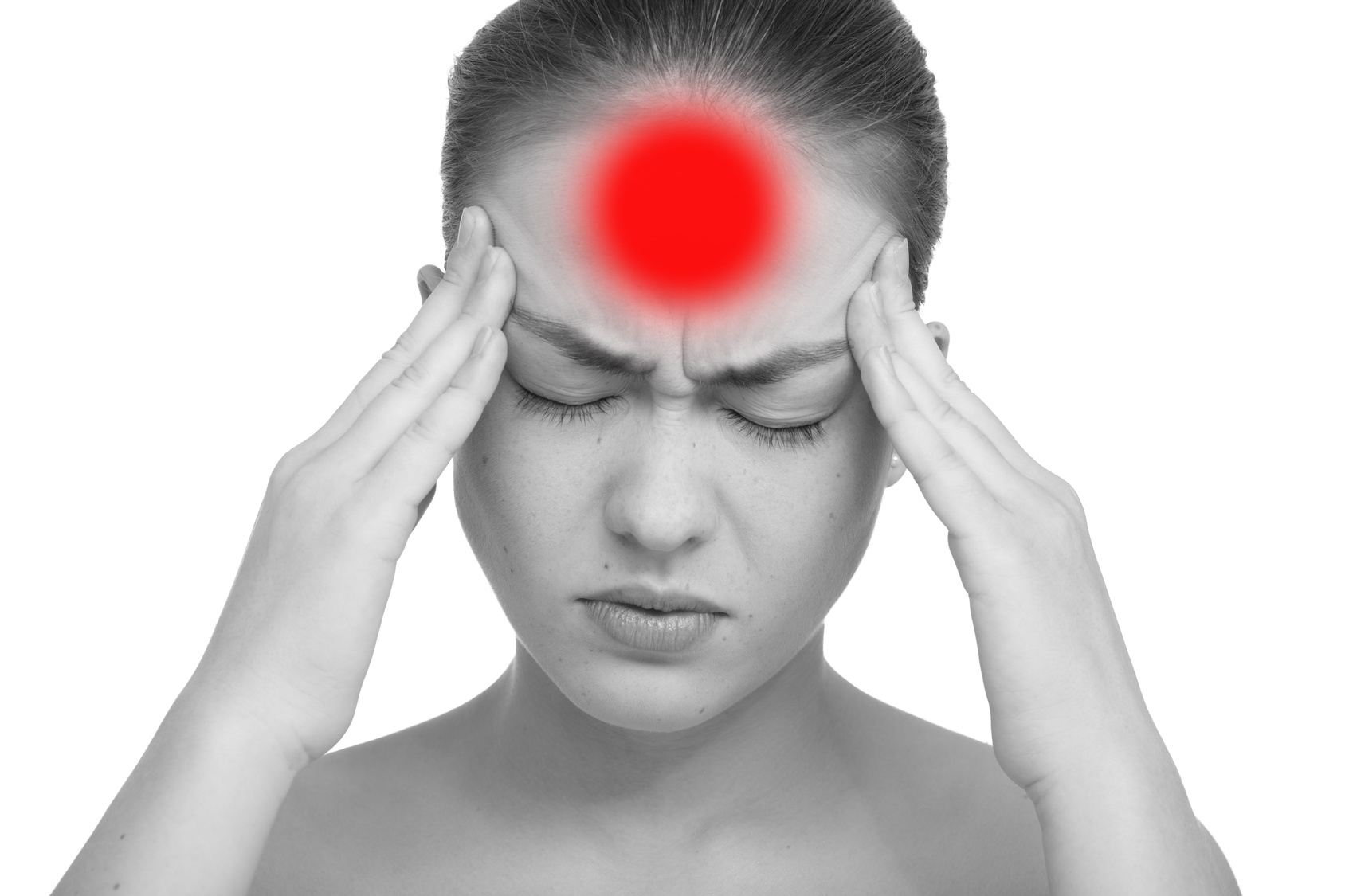
Beautiful young woman with headache touching her temples, isolated in white
BEAUTIFUL YOUNG WOMAN WITH HEADACHE TOUCHING HER TEMPLES, ISOLATED IN WHITE
This is just an introductory page to the use of Sphenopalatine Ganglion Blocks for intractable headaches and other conditions.
While there are no universal answers to pain the use of  Self Administered Sphenopalatine Ganglion Blocks can be the answer many patients are seeking.  My previous post on this site  has an extensive review of SPG Blocks and a wide bibliography of scientific literature.
Intractable / Refractory Headaches:  SPG Blocks are used in the ER when other treatments have failed:   https://www.aliem.com/2017/03/trick-sphenopalatine-ganglion-block-primary-headaches/
Intractable / Refractory Headaches:  Patients can use SPG Blocks without trip to ER.  Quality of life is horrible traveling to and waiting in ER.  Treatment in your own home is more comfortable and is more timely.
Intractable  Refractory Headaches:  Elimination of the majority of  physician visits for headaches  and migraines is obtainable.
Intractable / Refractory headaches:  SPG Blocks can prevent headaches and migraines and be used prophylactically to prevent or eliminate headaches and migraines.
Intractable / Refractory Headache:  Self Administration of SPG Blocks  allows patients to titrate frequency of treatment based on their needs to improve quality of life.
Intractable / Refractory Headaches Costs:  After initial visits the cost of  Self Administered Sphenopalatine Ganglion Blocks is under $1.00
Rebound headaches and Migraines:  SPG Bl0cks can treat and prevent rebound headaches and migraines.  Rebound Headache is not an issue with SPG Blocks
SPG Block  Testimonials on Reddit :  https://www.reddit.com/r/SPGBlocks/
Anxiety & Panic Attacks:  SPG Blocks turn off Fight or Flight Sympathetic Reflex (stress) and turn on Feed and Breed Parasympathetic reflex (good feeling of playing with babies, puppies or kittens….Love and affection)
Additional  effects of SPG Blocks:  Feelings of Well Being and safety.
Physiologic Effects SPG Blocks:  Can treat HBP and Essential Hypertension
Insomnia Treatment with SPG Blocks:  No medication side effects or morning hangovers.
Allergic Rhinitis Treatment with SPG Blocks:  https://thinkbetterlife.com/vasomotor-rhinitis-treatment-spg-block/
Treatment of TMJ Blocks:  Patient testimonials SPG Blocks and Neuromuscular dentistry.  The Myomonitor utilized by Neuromuscular Dentists stimulates the Sphenopalatine Ganglion while addressing trigeminal and facial nerves.  Patient Testimonials on Neuromuscular Dentistry on Reddit.
Te book “Miracles on Park Avenue” describes the amazing practice of Dr Milton Reder who treated a wide variety of chroni health and pain  conditions including intractable headaches using Sphenopalatine Ganglion Blocks (SPG Blocks)