Showing posts with label TMD. Show all posts

Wednesday, December 26, 2018

Migraines, Cluster Headaches and Tension-Type Headaches: What is Fastest and Most Effective Treatment? What is the Safest Treatment?

The pain, agony and suffering associated with headaches of all types can rapidly destroy your quality of life.   The suffering while waiting for medication to take effect can be maddening.  This is even more true when an individual has chronic severe headaches.

The most common approach of patients is to try over the counter medications that all have similar issues with slow onset and negative side effects.  Effectiveness varies and often only minimal or partial relief is obtained.

Non-steroidal anti-inflamatories  (NSAID) are probably the most common headache medication used.  This includes aspirin (Bayer), ibuprofen (Advil or Motrin), naproxen  (Allieve) and etedolac.  All of these drugs are excellent anti-inflamatories and all of them have serious side effects including GI disturbances including gastric reflux, burning, ulcers, esophageal burns, and increased bleeding times. 

 The biggest issue is not the negative and often dangerous side effects but the  lack of effectiveness and slow onset.

Tylenol or Acetaminophen is even less effective but usually does not cause GI distress but can cause permanent liver damage especially if taken with alcohol.  Again the biggest issue is poor pain relief and  the  considerable time it takes  to reach effective blood levels to treat the pain.

Pain is felt in the Limbic System where we feel emotion.  When patients are suffering severe pain their emotional level plummets. 

The National Headache Foundation recommends a Triple-Combination Medication  of acetylsalicylic acid, (aspirin), acetaminophen, and caffeine for tension-type headaches.  Unfortunately, this still requires absorption in thee GI tract and carries the same risks as the individual drugs.  Excedrin is a combination medication with these ingredients.  Excedrin and Excedrin Migraine are actually the same medication.

Compare these OTC Drugs and response time to Self-Administered Sphenopalatine Ganglion (SPG) Blocks which typically utilize 2% lidocaine, a natural anti-inflammatory that is often given to stabilize a patients heart beat but is best known  as dental anesthetic.  

Patient's can self-administer an SPG lidocaine block in minutes and relief for Migraine and Cluster Headaches can be almost immediate.  SPG Blocks are especially effective for Tension-Type Headaches and other Trigeminal Nerve associated headaches.

Sphenopalatine Ganglion Blocks can be administered in physicians offices and in Emergency Departments utilizing a nasal catheter such as a Sphenocath, Allevio or TX360.  These are all specialized catheters designed to "squirt" lidocaine to the mucosa covering the Sphenopalatine Ganglion where it sits in the pterygopalatine fossa.  The Sphenopalatine is also known as the Pteerygopalatine Ganglion, named for where it is found.

 While these "squirt gun technique" blocks are effective and can also give almost immediate relief they are also expensive and the patients life is disrupted by the headache and the need to travel for the  headache treatment.

The use of cotton-tipped nasal catheters allows the patient to self-administer SPG Blocks.  This  can be used prophylactiically to prevent headache occurrence as well as to alleviate headaches at initial onset before their increasing severity disrupt patient's lives.

Most physicians do not train patients to self-administer these blocks but it is an easily learned procedure utilized for  over 100 years.

The Sphenopalatine Ganglion is the largest Parasympathetic Ganglion of the head and is part of the Autonomic Nervous System.  The Sympathetic nerves are also part of the autonomic nervous system and are involved in the "fight or flight" reflex which is also known as the stress reflex. 

 The Sphenopalatine Ganglion is also known as the SPG, the Pterygopalatine Ganglion, the Nasal Ganglion, Meckel's Ganglion and Sluder's Ganglion after the physician who first described it's role in treating headaches in 1908.

While many medications can be utilized with SPG Blocks there is no study that has shown anything to be more effective than lidocaine.  Lidocaine is a natural anti-inflamatory with positive cardiac effects in the presence of irregular heart rhythm.  It is commonly utilized as dental anesthetic.

Drugs.com list 66 drugs to treat migraines, including triptans but none have been shown to be more effective than SPG Blocks though there is a massive amount of drug side effects associated with these medications.  All of these medications can be helpful and  SPG Blocks are safe to be used in combination with any headache or migraine medication.

Most importantly,  SPG Blocks can give the fastest relief possible with the lowest risk of medication side effects.  Patient may find that if they self-administer SPG Blocks they require far lower doses of medication if they need it at all.

There are side effects to Sphenopalatine Ganglion Blocks but in general they are positive.  About 1/3 of essential hypertension can be cured with SPG Blocks.  SPG Blocks can relieve anxiety, depression and stress.  The blocks can relieve a wide range of eye, ear, nose , sinus and jaw pains.  A 1930 article "Sphenopalatine Phenomena"  by Hiram Byrd in Annals of Internal Medicine (JAMA) showed almost 100% success in 10,000 blocks in 2000 patients with virtually no negative side effects.

This amazing technique almost became lost as part of forgotten medicine when Big Pharma and pharmaceuticals changed medicine starting in the 1940's.  This technique may have been lost forever but returned after the publication of a popular book "Miracles on Park Avenue" which detailed the practice of Dr Milton Reder an octogenerian  New York City Otolaryngologist whose entire practice focused on treating patients utilizing only Sphenopalatine Ganglion Blocks.

Injection of the Sphenopalatine Ganglion may be a way to increase effectiveness of the block in an acute severe headache.  Dentists are the experts at the intraoral injection through the greater palatine canal.  Extra-oral injections may be done via the Suprazygomatic Approach without fluoroscopy, usually by a Neuromuscular dentist trained in treating TMJ /TMD and orofacial pain or ENT's with extensive experience in treating chronic pain patients.

Sphenopalatine Ganglion Blocks are also very effective for treating TMJ disorders and associated Myofascial Pain and Dysfunction.  TMD and MPD are the primary underlying cause of all tension headaches and muscle contraction headaches.  

Neuromuscular Dentistry utilizes the Myomonitor that has a fifty year safety record as a neuromodulation unit for the trigeminal and facial nerves as well as the sympathetic and parasympatheetic fibers of the autonomic system that pass thru the SPG.

The use of a Diagnostic Neuromuscular Orthotic is often the first step in permanently eliminating Tension-Type Headaches.

Learn more at www.SphenopalatineGanglionBlocks.com

Saturday, December 22, 2018

Sphenopalatiine Ganglion (SPG) Blocks: Most Comprehensive information on the Miracle Blocks featured in "MIRACLES ON PARK AVENUE"

The Sphenopalatine Ganglion Block (SPG) was featured in the book "Miracles on Park Avenue" 

SPG Blocks are considered a first line treatment for Headaches, Migraines, Trigeminal Autonomic Cephalgias and all types of headaches.

There are numerous posts on this sitee oon thee topic but the most comprehensive information based on peer reviewed journals, pubmed and many other sources is at the website http://www.sphenopalatineganglionblocks.com.

It has the top rated blog site on SPG Blocks also known as Pterygopalatine Ganglion Blocks, Nasal Ganglion Block, Sluder's Ganglion Block and Meckel's Ganglion  Block.

There is a reddit page on these blocks as well featuring compelling patient videos:  https://www.reddit.com/r/SPGBlocks/

Patients wiith TMJ Disorders and Headaches or Migraines will also find comprehensive information at http://www.ThinkBetterLiife.com

Dr Shapira currently has a paper accepted by Cranio Journal: The Journal of CranioMandibular and Sleep Practice that diiscusses utiliizing Sphenopalatine Ganglion Blocks and Neuromuscular Dentistry to finally propeerly address chronic headache pain that addresses both the Trigeminal Nervous Systtem, the TMJoints and the Autonomic Nervous System, ie the Sympathetiic and Parasympathetic nerves of the Sphenopalatine Ganglion.

Monday, March 19, 2018

Tension-Type Headache: AKA: Tension Headache, Muscle Contraction Headache, Psychomyogenic Headache, Stress Headache, Ordinary Headache, Essential Headache, Idiopathic Headache and Psychogenic Headache.

Tension-Type Headaches are extremely common affecting the majority of the public at some time during their lifetime.  It is commonly associated with Stress or more accurately how patients react to stressful periods. 

There is often considerable cross over between Tension-Type headaches and Medication Overuse Headache.

Tension-Type Headaches can be mild, moderate or severe to very severe and frequently patients refer to them as "my Migraine".  Migraine in Children are often misdiagnosed Tension Type Headaches associated with Myofascial Trigger Points.  Because Migraine pathogenesis is also not well understood there is a great deal of crossover diagnosis.  

This recent study;  2018 Feb;22(2):385-392. doi: 10.1002/ejp.1127. Epub 2017 Sep 26.  "CHILDREN WITH MIGRAINE:  PROVOCATION VIA PRESSURE TO MYOFASCIAL TRIGGER POINTS IN THE TRAPZIUS MUSCLE?"  is an excellent example of research which confuses or fails to clarify migraine and tension-type headaches.  The article is excellent looking at headaches from triggerpoints in the Trapezius muscle.  (abstract below at ent of post)

To understand Tension-Type Headaches I believe it  is extremely important to understand and know all of the referral patterns identifies in MPD or Myofascial Pain.  Any physician or dentist is compromised in their quality of care without this knowledge and is likely to  prescribe excessive or inappropriate medications.  

 I believe it is impossible to make a proper diagnosis in many patients until both  active and latent  trigger points have been identified and managed.  This is an essential step in the differential diagnosis and should be completed prior to medication prescriptions for triptans and other medications.

The website www.TriggerPoints.net is an excellent resource for patients and physicians dealing with Tension-Type Headaches and Migraines.  It is taken from the testbook "Myofascial Pain and Dysfunction: A Trigger Point Manual"  

I recommend that my patients buy this book to better understand their pain patterns, how they can prevent myofascial trigger points from forming and how they can improve the pain from these trigger points. 

The precise mechanisms of Tension-type headaches are not well understood.  There are many discussions that differentiate central and peripheral mechanisms.

The first known fact about Tension Headaches (and Migraines) is that they are primarily disorders of the Trigeminal Nervous System and the Trigeminal Vascular System.

There is also no question that the autonomic nervous system plays an enormous role especially the Sympathetic nervous system and the balance between the sympathetic and parasympathetic nervous system.  

Chronic Tension Type Headaches are a serious condition that can severely decrease quality of life and cause considerable disability.  

All patients with Tension-Type headaches of a severe or chronic nature should have the effects of the autonomic nervous system evaluated as part of the diagnostic work-up with a minimally invasive Diagnostic Sphenopalatine (Pterygopalatine) Ganglion Block.   https://www.sphenopalatineganglionblocks.com/managing-chronic-headaches-spg-block-sphenopalatine-ganglion-block/

The use of self-administered Sphenopalatine Ganglion (SPG) Blocks can often have almost immediate relief of even severe pain and sometimes spontaneous remission of the underlying headache with repeated use.

These blocks reset the autonomic nervous system and help with stress response (sympathetic) turning off "Fight or Flight Reflex" and turn on the Parasympathetic Reflex ie "Feed and Breed or Eat and Digest Reflex"

There is an incredible histor of pain relief including a 1930 scientific article by Hiram Byrd on "Sphenopalatine Phenomena" and a 1986 popular book "Miracles on Park Avenue" documenting the practice of Dr Milton Reder who exclusively utilized SPG Blocks to treat patients varied types of pain.

Dr Ho published an extensive review Sphenopalatine Ganglion Blocks and Modulation in a 2017 paper.  https://www.sphenopalatineganglionblocks.com/sphenopalatine-ganglion-block-radiofrequency-ablation-neurostimulation-systematic-review/

The concept of Neuromodulation is extremely important because it helps explain the amazing successes of neuromuscular dentistry in treating and eliminating headaches and migraines.  A basic concept in Neuromuscular Dentistry is utilizing the Myomonitor to relax muslces inervated by Trigeminal and facial nerves to find neuromuscular rest and occlusion which serves to give a healthy reset to the trigeminal nervous system as a patient functions and swallows.

The Myomonitor also acts as a Neuromodulation device of the Sphenopalatine Ganglion.  There is an incredible 50 year safety record of Sphenopalatine Stimulation with the Myomonitor when used by Neuromuscular Dentists.

Understanding how these processes work is important.  It is also important to hear patients stories.  This is a link to over 100 patient videos who have been treated with Neuromuscular Dentistry and SPG Blocks for Tension-Type Headaches, Migraines, TMJ disorders, Myofascial Pain and referred headaches and related sleep disorders.

https://www.youtube.com/channel/UCk9Bfz6pklC7_UluWFHzLrg/videos

PubMed Abstract
 2018 Feb;22(2):385-392. doi: 10.1002/ejp.1127. Epub 2017 Sep 26.

Children with migraine: Provocation of headache via pressure to myofascialtrigger points in the trapezius muscle? - A prospective controlled observational study.

Abstract

BACKGROUND:

The objective was to evaluate a supposed clinical interdependency of myofascial trigger points and migraine in children. Such interdependency would support an interaction of spinal and trigeminal afferences in the trigemino-cervical complex as a contributing factor in migraine.

METHODS:

Children ≤18 years with the confirmed diagnosis of migraine were prospectively investigated. Comprehensive data on medical history, clinical neurological and psychological status were gathered. Trigger points in the trapezius muscle were identified by palpation and the threshold of pressure pain at these points was measured. Manual pressure was applied to the trigger points, and the occurrence and duration of induced headache were recorded. At a second consultation (4 weeks after the first), manual pressure with the detected pressure threshold was applied to non-trigger points within the same trapezius muscle (control). Headache and related parameters were again recorded and compared to the results of the first consultation.

RESULTS:

A total of 13 girls and 13 boys with migraine and a median age of 14.5 (Range 6.3-17.8) years took part in the study. Manual pressure to trigger points in the trapezius muscle led to lasting headache after termination of the manual pressure in 13 patients while no patient experienced headache when manual pressure was applied to non-trigger points at the control visit (p < 0.001). Headache was induced significantly more often in children ≥12 years and those with internalizing behavioural disorder.

CONCLUSION:

We found an association between trapezius muscle myofascial trigger points and migraine, which might underline the concept of the trigemino-cervical complex, especially in adolescents.

SIGNIFICANCE:

In children with migraine headache can often be induced by pressure to myofascial trigger points, but not by pressure to non-trigger points in the trapezius muscle. This supports the hypothesis of a trigemino-cervical-complex in the pathophysiology of migraine, which might have implications for innovative therapies in children with migraine.
PMID:
 
28952174
 
DOI:
 
10.1002/ejp.1127

HEADACHES due to Prevertebral Muscles and Retropharyngeal Tendonitis: Headaches often related to turning head upwards.

The prevertebral muscles and tendons are difficult to address and oftey interfere with healing and recovery.  They are frequently injured in whiplash injures and symptoms can linger for years or even decades.

"Headache attributed to retropharyngeal tendonitis" is classified by "The Third Classification of Headache Disorder, 3rd addition" 
Diagnosis Code 11.2.2

Raising of the eyes by tilting of the head can cause both referred pain, aching and headache.  These muscles and tendons extend over the top 3-4 vertebrae to the skull.   There is a frequent involvement of the upper cervicl complex.

While Neuromuscular Dental Orthotics address the majority of head and neck symptoms by  restoring structural and muscular balance NMD does not correct upper cervical vertebrae.

These can be addressed by specially trained osteopaths and chiropractors.  Atlas-Orthoganol chiropractors wok on the first vertebre (the Atlas) and the second vertebrae (the Axis) and their relation to the skull.   They deliver a precice adjustment to the upper cervical region.  NUCCA chiropractors address the same area utilizzing different techniques.  Both work well as does the osteopathic approach.

It is important to have a stable neuromuscular orthotic before doing the adjustment (on combination cases) and it is often necessary for a patient to have both adjustments on the same day.  Typically, the nuromuscular orthotic is corrected after the A/O adjustment.

I work closely with Dr Mark Freund on patients requiring upper cervical corrections.  https://www.northshoreatlas.com/atlas-orthogonal.

Addressing the fascial and muscular disorders of the prevertebral region is usually started by a very gradual passive gentle stretch with the patient laying on the floor with a very small towel roll under the shoulders allowing the head to extend and tip backwards.  If there is pain or discomfort the size of the towel roll is reduced.  Typically 20 minute sessions that also combine very slow diaphragmatic breathing will let these muscle release their taut bands and tension.  Overdoing the stretch impedes progress.

The scalene muscles are usually also involved in  creating problems but they can be addressed with ULF-TENS (Myomonitor), Spray and Stretch techniques, correction of paradoxical breathing issues and other physical modalities.

Sufficient Magnesium and calcium levels are important for muscle relaxation.
Feldenkrais and Alexander techniques work well in patients with these disorders as do Paul St John techniques.

All of these techniques work best with well balanced neuromuscular orthotics.  The Aqualizer appliance is a self balancing hydrostatic appliance that can also be extremely useful.  Italian studies show it relaxes muscles throughout the body.

I frequently have my patients walk and run up and down stairs in these appliances to let the body and spine unwind and the muscles relax prior to adjusting neuromuscular appliance.

Aqualizers are almost a necessity when having A/O adjustments for patients traveling from one office to another.

Cranial Manipulation is another instance where the Aqualizer is incredibly useful as a patient goes from cranial doctor to have his Neuromuscular Orthotic adjusted.

Dr Mark Freund also utilizes Cranial work.   https://www.northshoreatlas.com/cranial-suture-release

His Highland Park office is across the hall from my Highland Park office:
www.ThinkBetterLife.com

Prevertebral muscle and tendon issues can be very difficult and working with multiplle professionals is key to success.


Monday, March 5, 2018

CHICAGO: Refractory / Intractable Headache Relief. Sphenopalatine Ganglion and Trigeminal Nerve Addressed by Neuromuscular Dentistry.

Reprinted with Permission from SphenopalatineGanglionBlocks.com


Intractable/ Refractory Headaches and Migraines: SPG Blocks (Sphenopalatine Ganglion Blocks) May be the Fastest Safest Treatment

Intractable Headaches destroy the lives of both patients and families. The medical costs often become prohibitive and relief is often unobtainable.
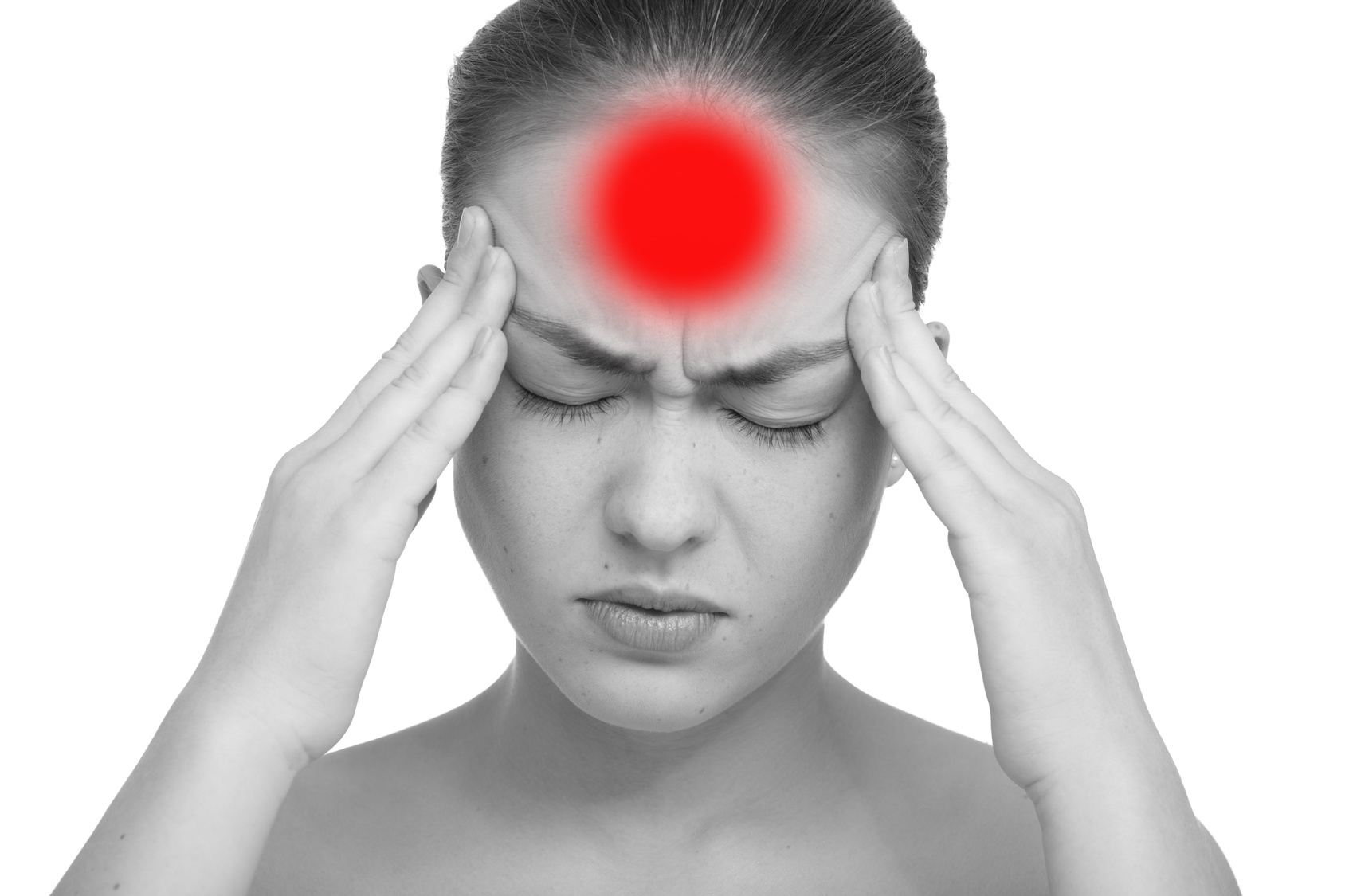
Beautiful young woman with headache touching her temples, isolated in white
BEAUTIFUL YOUNG WOMAN WITH HEADACHE TOUCHING HER TEMPLES, ISOLATED IN WHITE
This is just an introductory page to the use of Sphenopalatine Ganglion Blocks for intractable headaches and other conditions.
While there are no universal answers to pain the use of  Self Administered Sphenopalatine Ganglion Blocks can be the answer many patients are seeking.  My previous post on this site  has an extensive review of SPG Blocks and a wide bibliography of scientific literature.
Intractable / Refractory Headaches:  SPG Blocks are used in the ER when other treatments have failed:   https://www.aliem.com/2017/03/trick-sphenopalatine-ganglion-block-primary-headaches/
Intractable / Refractory Headaches:  Patients can use SPG Blocks without trip to ER.  Quality of life is horrible traveling to and waiting in ER.  Treatment in your own home is more comfortable and is more timely.
Intractable  Refractory Headaches:  Elimination of the majority of  physician visits for headaches  and migraines is obtainable.
Intractable / Refractory headaches:  SPG Blocks can prevent headaches and migraines and be used prophylactically to prevent or eliminate headaches and migraines.
Intractable / Refractory Headache:  Self Administration of SPG Blocks  allows patients to titrate frequency of treatment based on their needs to improve quality of life.
Intractable / Refractory Headaches Costs:  After initial visits the cost of  Self Administered Sphenopalatine Ganglion Blocks is under $1.00
Rebound headaches and Migraines:  SPG Bl0cks can treat and prevent rebound headaches and migraines.  Rebound Headache is not an issue with SPG Blocks
SPG Block  Testimonials on Reddit :  https://www.reddit.com/r/SPGBlocks/
Anxiety & Panic Attacks:  SPG Blocks turn off Fight or Flight Sympathetic Reflex (stress) and turn on Feed and Breed Parasympathetic reflex (good feeling of playing with babies, puppies or kittens….Love and affection)
Additional  effects of SPG Blocks:  Feelings of Well Being and safety.
Physiologic Effects SPG Blocks:  Can treat HBP and Essential Hypertension
Insomnia Treatment with SPG Blocks:  No medication side effects or morning hangovers.
Allergic Rhinitis Treatment with SPG Blocks:  https://thinkbetterlife.com/vasomotor-rhinitis-treatment-spg-block/
Treatment of TMJ Blocks:  Patient testimonials SPG Blocks and Neuromuscular dentistry.  The Myomonitor utilized by Neuromuscular Dentists stimulates the Sphenopalatine Ganglion while addressing trigeminal and facial nerves.  Patient Testimonials on Neuromuscular Dentistry on Reddit.
Te book “Miracles on Park Avenue” describes the amazing practice of Dr Milton Reder who treated a wide variety of chroni health and pain  conditions including intractable headaches using Sphenopalatine Ganglion Blocks (SPG Blocks)

Sunday, January 29, 2017

Lake Forest TMJ, Headaches, Migraines and Neuromuscular Approach To Definitive Personalized Treatment

The relationship of TMJ Disorders to Headaches and Migraines are well documented in both medical and dental literature.  The primary connection is via the Trigeminal Nerve.  The Trigeminal Nerve is often called the "Dentists Nerve" but the Trigeminal nerve is also at the center of each and every headache and migraine treated by physicians and neurologists.  The science behind this connection is two-fold.  The Trigeminal nerve also controls the blood flow to the anterior two thirds of the meninges of the brain.

Sinus headaches are usually treated by ENT's or Otolaryngologists but the Trigeminal Nerve is also front and center in both acute and chronic sinus pain.  Multiple studies have shown that most diagnosis of sinus infections causing pain are in fact incorrect.  

There are many documented cases of complete relief of all of these disorders with eliminated with Neuromuscular Dental Orthotics especially when combined with treatment of Myofascial Pain Disorders (MPD).  There are over 100 Chicago patient Testimonials at: 
https://www.youtube.com/channel/UCk9Bfz6pklC7_UluWFHzLrg

WWW.ThinkBetterLife.com is the website of my new office dedicated to treatment of both TMJ Disorders, Sleep Disorders including Snoring & Sleep Apnea and chronic headaches and migraines.

The National Heart Lung and Blood Institute (NHLBI) of the National Institute of Health (NIH) has published a report "CARDIOVASCULAR AND SLEEP-RELATED CONSEQUENCES OF TEMPOROMANDIBULAR DISORDERS" that should be read by every patient with TMJ disorders, Morning Headaches, Chronic Daily Headaches, Sleep Apnea, Snoring and migraines.
 https://www.nhlbi.nih.gov/files/docs/workshops/tmj_wksp.pdf

Sphenopalatine Ganglion Blocks are an amazing adjunct for treating chronic pain disorders.  It works via the autonomic nervous system and turns off the "Fight or Flight" reflex that is implicated in tension headaches, chronic anxiety and panic attacks.  www.sphenopalatineganglionblocks.com


Thursday, August 27, 2015

Learn to Change Lives At ICCMO! TMJ, "The Great Imposter" Amazing Patient Testimonials Videos Describe How Neuromuscular Dental Treatment Can Eliminate Headaches, Migraines, Facial Pain and Neck Pain

Improved Quality of Life: These are actual patient testimonial videos of outstanding improvements in quality of life with Neuromuscular Treatment of TMJ and Pain Disorders. Hear about recovery from a patient a Mayo Clinic MD told her was hopeless.

THIS PRESS RELEASE WAS ORIGINALLY RELEASED ON 24/7 PRESS RELEASE

EVERY DENTIST WHO CARES ABOUT THE HEALTH AND WELFARE OF THEIR PATIENTS SHOULD LEARN ABOUT NEUROMUSCULAR DENTISTRY. CREATING HAPPIER HEALTHIER PATIENTS FREE FROM PAIN IS A NOBLE UNDERTAKING!


    Every patient with chronic pain and every physician, dentist and chiropracto truly interested in changing peoples lives should plan on attending the ICCMO Meeting from October 1-October 4, 2015 in San Diego at the Catamaran Resort and Spa.

Integrated TMD Treatments: Solving CranioMandibular Dysfunction Head to Toe
Visit https://www.regonline.com/builder/site/Default.aspx?EventID=1735252 to learn more about the event.

Visit the ICCMO website at: www.ICCMO.org

This year will be of special interest to chiropractors especially NUCCA and Atlas Orthoganol doctors, pain management physicians, physical therapists, sports physicians and more.

Patients who suffer from pain should encourage their doctors and especially dentists to attend.

Headaches and Migraines affect 25% of US households. At least 10% of the population suffers from chronic headaches. Dr Ira Shapira, a long time Highland Park resident founded I Hate Headaches.org to to help patients suffering from chronic migraines, sinus headaches, chronic daily headaches, tension headaches and TMJ headaches. Over 95% of all headache patients have Trigeminal Nerve mediated headaches. His premiere website www.ihateheadaches.org has helped thousands of patients understand how the Trigeminal Nerve and the structures it innervates are responsible for the majority of all headaches.

Many patients think that TMJ (TMD) disorders are only treated with splints. Dr Ira Shapira utilizes a multifaceted approach to giving patients quick and lasting relief from their chronic pain. He utilizes Diagnostic Neuromuscular Orthotics and has over 30 years experience in Neuromuscular Dentistry. He trained with Barney Jankelson the founder of this field and with Bob Jankelson, his son. In addition to utilizing Neuromuscular Dentistry he is one of only a handful of practitioners to utilize SPG Blocks (Sphenopalatine Ganglion Blocks), Trigger Point Injections and Spray and Stretch techniques to treat Myofascial Pain and Muscle pain from Fibromyalgia. He trained with Dr Janet Travell who wrote the book Myofacial Pain and Dysfunction: A Trigger Point Manual.

The ICCMO meeting is a must for doctors wanting to truly help their patients improve their quality of life. Dr Shapira is giving a course on the developmental aspects of TMD, Sleep Apnea and ADD and ADHD. Early pediatric key can allow us to grow healthier future generations.

According to the Migraine Research Foundation
"Children Suffer from Migraine Too

Migraine is very common in children - about 10% of school-age children suffer.
Half of all migraine sufferers have their first attack before the age of 12. Even infants can have migraines. Migraine has been reported in children as young as 18 months. 
Before puberty, boys suffer from migraine more often than girls. The mean age of onset for boys is 7, and for girls it is 11. As adolescence approaches, the incidence increases more rapidly in girls than in boys. This may be explained by changing estrogen levels. 
By the time they turn 17, as many as 8 percent of boys and 23 percent of girls have experienced a migraine.
The prognosis for children with migraine is variable. However, 60% of sufferers who had adolescent-onset migraine report ongoing migraines after age 30. The prognosis for boys tends to be better than for girls.

Many if not most of these problems canbe eliminated or reduced by early intervention according to Dr Shapira.

This link leads to a YouTube Channel of Think Better Life Patient Testimonial videos.
https://www.youtube.com/channel/UCk9Bfz6pklC7_UluWFHzLrg

Everyone with chronic TMJ pain, migraines, neck pain or facial pain should view these videos.

The Website for Dr Shapira's new Highland Park office is www.thinkbetterlife.com.


According to the Migraine Research Foundation website:

"Migraine is an extraordinarily common disease that affects 36 million men, women and children in the United States. Almost everyone either knows someone who has suffered from migraine, or has struggled with migraine themselves. Nearly 1 in 4 U.S. households includes someone with migraine. Amazingly, over 10% of the population - including children - suffers from migraine. That's more than diabetes and asthma combined! About 18% of American women and 6% of men suffer from migraine. Migraine is most common during the peak productive years, between the ages of 25 and 55."

TMJ Disorders have been dubbed "The Great Imposter" because the majority of patients are misdiagnosed or only partially diagnosed by the medical community. The Trigeminal Nerve is frequently called "The Dentists Nerve" because it goes to the teeth, periodontal ligaments,, the sinuses, the tongue, the jaw joints and jaw muscles, as well as the tongue, the tensor of the ear drum, the muscle that opens and closes the eustacian tube and a major contribution to the autonomic nervous system. The Trigeminal Nerve also controls the blood flow to the anterior two thirds of the meninges of the brain, or in simple terms the Trigeminal nerve determines whether you will have migraines. The Trigeminal Nerves or Fifth Cranial Nerves is also the single largest contributor to Chronic Headaches and Migraine. Neuromuscular Dentistry is extremely effective in eliminating and treating migraines specifically because of the trigeminal nerve connection. Neuromuscular Dentistry is specifically directed towards eliminating trigeminal nerve nociception or painful input to the central nervous system.

What the majority of the medical community does not know is that TMJ or TemporoMandibular Disorders can have effects on almost every system in the body. The NHLBI or National Heart Lung and Blood Institute of the NIH published a report entitled CARDIOVASCULAR AND SLEEP-RELATED CONSEQUENCES OF TEMPOROMANDIBULAR DISORDERS that looked at the far reaching effects of TMJ disorders. The report recognizes the importance of "The masticatory apparatus is not only involved in chewing and swallowing but also in other critical tasks, including breathing and talking."

The NIH report also state, "TMD has been used to characterize a wide range of conditions diversely presented as pain in the face or jaw joint area, masticatory muscle pain, headaches, earaches, dizziness, limited mouth opening due to soft or hard tissue obstruction, TMJ clicking or popping sounds, excessive tooth wear and other complaints."

The report shows that 12% of the population suffers from TMD similar to the number suffering chronic headaches and migraines. The report has a major section on "The Craniofacial Complex and its Impact on Control of Upper Airway Resistance and Cardiopulmonary Function" The report covers the pathophysiology of sleep apnea which is implicated in morning headaches, fibromyalgia and Myofascial Pain and Dysfunction. It is now well established that oral appliances are a first line approach to treatment of sleep apnea and snoring for mild to moderate sleep apnea and an alternative to CPAP for severe sleep apnea.

The Autonomic portion of the Trigeminal Nerve is a key cause and cure for migraines and headaches. This is because of its innervation of the meninges of the brain and its control of blood flow to the brain. The SPG Block or Sphenopalatine Ganglion Block is sometimes considered a miracle cure for migranes. The popular book "Miracles on Park Ave" dealt specifically with the high efficacy of SPG Blocks in treating pain. The new MiRx protocol (http://www.mirxprotocol.com/) that has been show effective for preventing and treating migraines is actually just a different method of utilizing the SPG Block. Dr Shapira has been teaching utilization of the SPG Block to dentists and other healthcare professionals for many years.

Learn more about SPG Blocks @ http://chicago-headaches.blogspot.com and at www.thinkbetterlife.com.

The Mayo Clinic has also clearly stated the importance of the Trigeminal Nerve is headaches and Migraines "Although much about headaches still isn't understood, researchers think migraines may be caused by functional changes in the Trigeminal Nerve system, a major pain pathway in your nervous system, and by imbalances in brain chemicals, including serotonin, which plays a regulatory role for pain messages going through this pathway."

Mayo clinic also states, "During a headache, serotonin levels drop. Researchers believe this causes the Trigeminal Nerveto release substances called neuropeptides, which travel to your brain's outer covering (meninges). There they cause blood vessels to become dilated and inflamed. The result is headache pain."

These meninges are the Trigeminally innervated meninges discussed earlier and the serotonin and neuropeptides are the chemicals produced by nerve cells. These same chemicals are involved in TMJ, TMD and Migraines. The Trigeminal Nerve always utilizes these neurotransmitters not just for migraines.

Dr Shapira spent years doing research into sleep apnea and its connection to jaw position. His early research was done as a Visiting Assistant Professor in the 1980's at Rush Medical School in The Sleep Disorder clinic. He worked closely with Dr Rosalind Cartwright the acknowledged Mother of Dental Sleep Medicine. Dr Cartwright recruited Dr Shapira to return to Rush as an Asst Professor in the 1990's till early this century.

The connections between impaired nasopharyngeal breathing and development of ADD and ADHD in children was the topic of a recent lecture Dr Shapira gave in Buenos Aires, Argentina. The development of chronic TMJ disorders, headaches, migraines and postural distortions were all discussed at his lecture to members of ICCMO, The International College of CranioMandibular Orthopedics of which Dr Shapira is a Fellow and Secretary. Dr Shapira is a representative from ICCMO to the American Alliance of TMD Organizations and current Chair of the Alliance of TMD Organizations.

In the 1990's Dr Shapira was a star lecturer for the A4M, The American Academy of Anti-Aging Medicine where he presented his work on the effect of TMJ disorders across ones lifetime. Premature aging and loss of memory and even dementia and Altzheimers disease are part of the same ongoing problem. Sleep Apnea and snoring are types of TMJ disorders according to the National Heart Lung and Blood Institute of the NIH in their report: Cardiovascular and Sleep Related Consequences of Temporomandibular Disorders.

Dr Shapira has been utilizing a multifaceted approach toward relieving chronic pain associated with TMJ disorders for over 30 years and is now bringing his expertise to the North Shore Communities of Chicago. He created www.IHATECPAP.com which addressed Sleep Apnea and snoring and utilizing oral appliances to treat these problems. He also created www.ihateheadaches.org that focuses on many types of headaches and the role of Neuromuscular Dentistry in providing relief of these problems.

The DNA Appliance is offering a possible cure for sleep apnea and TMJ disorders by growing the jaws utilizing Epigenetic Orthodontics. Until recently it was believed these changes could only be accomplished through extensive surgical procedures.

Dr Shapira has also studied Cranial Suture Release techniques and Chirodontics. He inroduced these concepts to a Chiropracter who is his friend and colleague, Dr Mark Freund . Dr Freund has embraced these concepts in totality and has become an expert in these techniques through immersive studying both in the US and Internationally. His primary office is in Lindenhurst but he also sees Cranial patients in Gurnee in Dr Shapira's office www.delanydentalcare.com.

Dr Freund will be treating patients in Dr Shapira's Highland Park office. These techniques treat not only TMJ Dysfunction but also postural distortion such as forward head posture that leads to headaches and neck pain. These postural distortions can have negative effects throughout the entire body.

The NIH just reported over 25 million Americans suffer chronic pain or 11.2% of all Americans. See The Washington Post Story. http://www.washingtonpost.com/news/to-your-health/wp/2015/08/11/nih-m ... onic-pain/

Dr Ira L Shapira created the I HATE CPAP (www.ihatecpap.com) and I HATE HEADACHE (www.ihateheadaches.org) websites to help patients find help with these difficult medical disorders that medicine can frequently not treat adequately without a dental collaboration. Dr Shapira did research in the 1980's as a visiting assistant professor at Rush Medical School where he worked with Rosalind Cartwright PhD who is primarily responsible for the entire field of Dental Sleep Medicine. He also studied with Dr Barney Jankelson who created the initial concepts that neuromuscular dentistry still uses today and created a company Myotronics that is the leading manufacturer of instrumentation used by Neuromuscular Dentistry.

Dr Shapira is the current Chair, Alliance of TMD Organizations
http://www.tmdalliance.org/

Dr Shapira is a Diplomate of The American Board of Dental Sleep Medicine, a Diplomate of the American Academy of Pain Management, and a Fellow of the International College of CranioMandibular Orthopedics (ICCMO). He is a former national and International Regent of ICCMO, its current Secretary and the representative to the Alliance of TMD organizations or the TMD ALLIANCE has a general dental practice (http://www.delanydentalcare.com) in Gurnee, Il and has recently started Chicagoland Dental Sleep Medicine Associates with offices in Vernon Hills and Highland Park. Patients in Northern Illinois or southern Wisconsin can contact Dr Shapira by phone toll free at 1-8-NO-PAP-MASK OR 1-800-TM-JOINT or thru his websites at http://www.ihateheadaches.org or http://www.chicagoland.ihatecpap.com.