Showing posts with label TMJ. Show all posts

Wednesday, December 26, 2018

Migraines, Cluster Headaches and Tension-Type Headaches: What is Fastest and Most Effective Treatment? What is the Safest Treatment?

The pain, agony and suffering associated with headaches of all types can rapidly destroy your quality of life.   The suffering while waiting for medication to take effect can be maddening.  This is even more true when an individual has chronic severe headaches.

The most common approach of patients is to try over the counter medications that all have similar issues with slow onset and negative side effects.  Effectiveness varies and often only minimal or partial relief is obtained.

Non-steroidal anti-inflamatories  (NSAID) are probably the most common headache medication used.  This includes aspirin (Bayer), ibuprofen (Advil or Motrin), naproxen  (Allieve) and etedolac.  All of these drugs are excellent anti-inflamatories and all of them have serious side effects including GI disturbances including gastric reflux, burning, ulcers, esophageal burns, and increased bleeding times. 

 The biggest issue is not the negative and often dangerous side effects but the  lack of effectiveness and slow onset.

Tylenol or Acetaminophen is even less effective but usually does not cause GI distress but can cause permanent liver damage especially if taken with alcohol.  Again the biggest issue is poor pain relief and  the  considerable time it takes  to reach effective blood levels to treat the pain.

Pain is felt in the Limbic System where we feel emotion.  When patients are suffering severe pain their emotional level plummets. 

The National Headache Foundation recommends a Triple-Combination Medication  of acetylsalicylic acid, (aspirin), acetaminophen, and caffeine for tension-type headaches.  Unfortunately, this still requires absorption in thee GI tract and carries the same risks as the individual drugs.  Excedrin is a combination medication with these ingredients.  Excedrin and Excedrin Migraine are actually the same medication.

Compare these OTC Drugs and response time to Self-Administered Sphenopalatine Ganglion (SPG) Blocks which typically utilize 2% lidocaine, a natural anti-inflammatory that is often given to stabilize a patients heart beat but is best known  as dental anesthetic.  

Patient's can self-administer an SPG lidocaine block in minutes and relief for Migraine and Cluster Headaches can be almost immediate.  SPG Blocks are especially effective for Tension-Type Headaches and other Trigeminal Nerve associated headaches.

Sphenopalatine Ganglion Blocks can be administered in physicians offices and in Emergency Departments utilizing a nasal catheter such as a Sphenocath, Allevio or TX360.  These are all specialized catheters designed to "squirt" lidocaine to the mucosa covering the Sphenopalatine Ganglion where it sits in the pterygopalatine fossa.  The Sphenopalatine is also known as the Pteerygopalatine Ganglion, named for where it is found.

 While these "squirt gun technique" blocks are effective and can also give almost immediate relief they are also expensive and the patients life is disrupted by the headache and the need to travel for the  headache treatment.

The use of cotton-tipped nasal catheters allows the patient to self-administer SPG Blocks.  This  can be used prophylactiically to prevent headache occurrence as well as to alleviate headaches at initial onset before their increasing severity disrupt patient's lives.

Most physicians do not train patients to self-administer these blocks but it is an easily learned procedure utilized for  over 100 years.

The Sphenopalatine Ganglion is the largest Parasympathetic Ganglion of the head and is part of the Autonomic Nervous System.  The Sympathetic nerves are also part of the autonomic nervous system and are involved in the "fight or flight" reflex which is also known as the stress reflex. 

 The Sphenopalatine Ganglion is also known as the SPG, the Pterygopalatine Ganglion, the Nasal Ganglion, Meckel's Ganglion and Sluder's Ganglion after the physician who first described it's role in treating headaches in 1908.

While many medications can be utilized with SPG Blocks there is no study that has shown anything to be more effective than lidocaine.  Lidocaine is a natural anti-inflamatory with positive cardiac effects in the presence of irregular heart rhythm.  It is commonly utilized as dental anesthetic.

Drugs.com list 66 drugs to treat migraines, including triptans but none have been shown to be more effective than SPG Blocks though there is a massive amount of drug side effects associated with these medications.  All of these medications can be helpful and  SPG Blocks are safe to be used in combination with any headache or migraine medication.

Most importantly,  SPG Blocks can give the fastest relief possible with the lowest risk of medication side effects.  Patient may find that if they self-administer SPG Blocks they require far lower doses of medication if they need it at all.

There are side effects to Sphenopalatine Ganglion Blocks but in general they are positive.  About 1/3 of essential hypertension can be cured with SPG Blocks.  SPG Blocks can relieve anxiety, depression and stress.  The blocks can relieve a wide range of eye, ear, nose , sinus and jaw pains.  A 1930 article "Sphenopalatine Phenomena"  by Hiram Byrd in Annals of Internal Medicine (JAMA) showed almost 100% success in 10,000 blocks in 2000 patients with virtually no negative side effects.

This amazing technique almost became lost as part of forgotten medicine when Big Pharma and pharmaceuticals changed medicine starting in the 1940's.  This technique may have been lost forever but returned after the publication of a popular book "Miracles on Park Avenue" which detailed the practice of Dr Milton Reder an octogenerian  New York City Otolaryngologist whose entire practice focused on treating patients utilizing only Sphenopalatine Ganglion Blocks.

Injection of the Sphenopalatine Ganglion may be a way to increase effectiveness of the block in an acute severe headache.  Dentists are the experts at the intraoral injection through the greater palatine canal.  Extra-oral injections may be done via the Suprazygomatic Approach without fluoroscopy, usually by a Neuromuscular dentist trained in treating TMJ /TMD and orofacial pain or ENT's with extensive experience in treating chronic pain patients.

Sphenopalatine Ganglion Blocks are also very effective for treating TMJ disorders and associated Myofascial Pain and Dysfunction.  TMD and MPD are the primary underlying cause of all tension headaches and muscle contraction headaches.  

Neuromuscular Dentistry utilizes the Myomonitor that has a fifty year safety record as a neuromodulation unit for the trigeminal and facial nerves as well as the sympathetic and parasympatheetic fibers of the autonomic system that pass thru the SPG.

The use of a Diagnostic Neuromuscular Orthotic is often the first step in permanently eliminating Tension-Type Headaches.

Learn more at www.SphenopalatineGanglionBlocks.com

Saturday, December 22, 2018

Sphenopalatiine Ganglion (SPG) Blocks: Most Comprehensive information on the Miracle Blocks featured in "MIRACLES ON PARK AVENUE"

The Sphenopalatine Ganglion Block (SPG) was featured in the book "Miracles on Park Avenue" 

SPG Blocks are considered a first line treatment for Headaches, Migraines, Trigeminal Autonomic Cephalgias and all types of headaches.

There are numerous posts on this sitee oon thee topic but the most comprehensive information based on peer reviewed journals, pubmed and many other sources is at the website http://www.sphenopalatineganglionblocks.com.

It has the top rated blog site on SPG Blocks also known as Pterygopalatine Ganglion Blocks, Nasal Ganglion Block, Sluder's Ganglion Block and Meckel's Ganglion  Block.

There is a reddit page on these blocks as well featuring compelling patient videos:  https://www.reddit.com/r/SPGBlocks/

Patients wiith TMJ Disorders and Headaches or Migraines will also find comprehensive information at http://www.ThinkBetterLiife.com

Dr Shapira currently has a paper accepted by Cranio Journal: The Journal of CranioMandibular and Sleep Practice that diiscusses utiliizing Sphenopalatine Ganglion Blocks and Neuromuscular Dentistry to finally propeerly address chronic headache pain that addresses both the Trigeminal Nervous Systtem, the TMJoints and the Autonomic Nervous System, ie the Sympathetiic and Parasympathetic nerves of the Sphenopalatine Ganglion.

Monday, March 19, 2018

Tension-Type Headache: AKA: Tension Headache, Muscle Contraction Headache, Psychomyogenic Headache, Stress Headache, Ordinary Headache, Essential Headache, Idiopathic Headache and Psychogenic Headache.

Tension-Type Headaches are extremely common affecting the majority of the public at some time during their lifetime.  It is commonly associated with Stress or more accurately how patients react to stressful periods. 

There is often considerable cross over between Tension-Type headaches and Medication Overuse Headache.

Tension-Type Headaches can be mild, moderate or severe to very severe and frequently patients refer to them as "my Migraine".  Migraine in Children are often misdiagnosed Tension Type Headaches associated with Myofascial Trigger Points.  Because Migraine pathogenesis is also not well understood there is a great deal of crossover diagnosis.  

This recent study;  2018 Feb;22(2):385-392. doi: 10.1002/ejp.1127. Epub 2017 Sep 26.  "CHILDREN WITH MIGRAINE:  PROVOCATION VIA PRESSURE TO MYOFASCIAL TRIGGER POINTS IN THE TRAPZIUS MUSCLE?"  is an excellent example of research which confuses or fails to clarify migraine and tension-type headaches.  The article is excellent looking at headaches from triggerpoints in the Trapezius muscle.  (abstract below at ent of post)

To understand Tension-Type Headaches I believe it  is extremely important to understand and know all of the referral patterns identifies in MPD or Myofascial Pain.  Any physician or dentist is compromised in their quality of care without this knowledge and is likely to  prescribe excessive or inappropriate medications.  

 I believe it is impossible to make a proper diagnosis in many patients until both  active and latent  trigger points have been identified and managed.  This is an essential step in the differential diagnosis and should be completed prior to medication prescriptions for triptans and other medications.

The website www.TriggerPoints.net is an excellent resource for patients and physicians dealing with Tension-Type Headaches and Migraines.  It is taken from the testbook "Myofascial Pain and Dysfunction: A Trigger Point Manual"  

I recommend that my patients buy this book to better understand their pain patterns, how they can prevent myofascial trigger points from forming and how they can improve the pain from these trigger points. 

The precise mechanisms of Tension-type headaches are not well understood.  There are many discussions that differentiate central and peripheral mechanisms.

The first known fact about Tension Headaches (and Migraines) is that they are primarily disorders of the Trigeminal Nervous System and the Trigeminal Vascular System.

There is also no question that the autonomic nervous system plays an enormous role especially the Sympathetic nervous system and the balance between the sympathetic and parasympathetic nervous system.  

Chronic Tension Type Headaches are a serious condition that can severely decrease quality of life and cause considerable disability.  

All patients with Tension-Type headaches of a severe or chronic nature should have the effects of the autonomic nervous system evaluated as part of the diagnostic work-up with a minimally invasive Diagnostic Sphenopalatine (Pterygopalatine) Ganglion Block.   https://www.sphenopalatineganglionblocks.com/managing-chronic-headaches-spg-block-sphenopalatine-ganglion-block/

The use of self-administered Sphenopalatine Ganglion (SPG) Blocks can often have almost immediate relief of even severe pain and sometimes spontaneous remission of the underlying headache with repeated use.

These blocks reset the autonomic nervous system and help with stress response (sympathetic) turning off "Fight or Flight Reflex" and turn on the Parasympathetic Reflex ie "Feed and Breed or Eat and Digest Reflex"

There is an incredible histor of pain relief including a 1930 scientific article by Hiram Byrd on "Sphenopalatine Phenomena" and a 1986 popular book "Miracles on Park Avenue" documenting the practice of Dr Milton Reder who exclusively utilized SPG Blocks to treat patients varied types of pain.

Dr Ho published an extensive review Sphenopalatine Ganglion Blocks and Modulation in a 2017 paper.  https://www.sphenopalatineganglionblocks.com/sphenopalatine-ganglion-block-radiofrequency-ablation-neurostimulation-systematic-review/

The concept of Neuromodulation is extremely important because it helps explain the amazing successes of neuromuscular dentistry in treating and eliminating headaches and migraines.  A basic concept in Neuromuscular Dentistry is utilizing the Myomonitor to relax muslces inervated by Trigeminal and facial nerves to find neuromuscular rest and occlusion which serves to give a healthy reset to the trigeminal nervous system as a patient functions and swallows.

The Myomonitor also acts as a Neuromodulation device of the Sphenopalatine Ganglion.  There is an incredible 50 year safety record of Sphenopalatine Stimulation with the Myomonitor when used by Neuromuscular Dentists.

Understanding how these processes work is important.  It is also important to hear patients stories.  This is a link to over 100 patient videos who have been treated with Neuromuscular Dentistry and SPG Blocks for Tension-Type Headaches, Migraines, TMJ disorders, Myofascial Pain and referred headaches and related sleep disorders.

https://www.youtube.com/channel/UCk9Bfz6pklC7_UluWFHzLrg/videos

PubMed Abstract
 2018 Feb;22(2):385-392. doi: 10.1002/ejp.1127. Epub 2017 Sep 26.

Children with migraine: Provocation of headache via pressure to myofascialtrigger points in the trapezius muscle? - A prospective controlled observational study.

Abstract

BACKGROUND:

The objective was to evaluate a supposed clinical interdependency of myofascial trigger points and migraine in children. Such interdependency would support an interaction of spinal and trigeminal afferences in the trigemino-cervical complex as a contributing factor in migraine.

METHODS:

Children ≤18 years with the confirmed diagnosis of migraine were prospectively investigated. Comprehensive data on medical history, clinical neurological and psychological status were gathered. Trigger points in the trapezius muscle were identified by palpation and the threshold of pressure pain at these points was measured. Manual pressure was applied to the trigger points, and the occurrence and duration of induced headache were recorded. At a second consultation (4 weeks after the first), manual pressure with the detected pressure threshold was applied to non-trigger points within the same trapezius muscle (control). Headache and related parameters were again recorded and compared to the results of the first consultation.

RESULTS:

A total of 13 girls and 13 boys with migraine and a median age of 14.5 (Range 6.3-17.8) years took part in the study. Manual pressure to trigger points in the trapezius muscle led to lasting headache after termination of the manual pressure in 13 patients while no patient experienced headache when manual pressure was applied to non-trigger points at the control visit (p < 0.001). Headache was induced significantly more often in children ≥12 years and those with internalizing behavioural disorder.

CONCLUSION:

We found an association between trapezius muscle myofascial trigger points and migraine, which might underline the concept of the trigemino-cervical complex, especially in adolescents.

SIGNIFICANCE:

In children with migraine headache can often be induced by pressure to myofascial trigger points, but not by pressure to non-trigger points in the trapezius muscle. This supports the hypothesis of a trigemino-cervical-complex in the pathophysiology of migraine, which might have implications for innovative therapies in children with migraine.
PMID:
 
28952174
 
DOI:
 
10.1002/ejp.1127

HEADACHES due to Prevertebral Muscles and Retropharyngeal Tendonitis: Headaches often related to turning head upwards.

The prevertebral muscles and tendons are difficult to address and oftey interfere with healing and recovery.  They are frequently injured in whiplash injures and symptoms can linger for years or even decades.

"Headache attributed to retropharyngeal tendonitis" is classified by "The Third Classification of Headache Disorder, 3rd addition" 
Diagnosis Code 11.2.2

Raising of the eyes by tilting of the head can cause both referred pain, aching and headache.  These muscles and tendons extend over the top 3-4 vertebrae to the skull.   There is a frequent involvement of the upper cervicl complex.

While Neuromuscular Dental Orthotics address the majority of head and neck symptoms by  restoring structural and muscular balance NMD does not correct upper cervical vertebrae.

These can be addressed by specially trained osteopaths and chiropractors.  Atlas-Orthoganol chiropractors wok on the first vertebre (the Atlas) and the second vertebrae (the Axis) and their relation to the skull.   They deliver a precice adjustment to the upper cervical region.  NUCCA chiropractors address the same area utilizzing different techniques.  Both work well as does the osteopathic approach.

It is important to have a stable neuromuscular orthotic before doing the adjustment (on combination cases) and it is often necessary for a patient to have both adjustments on the same day.  Typically, the nuromuscular orthotic is corrected after the A/O adjustment.

I work closely with Dr Mark Freund on patients requiring upper cervical corrections.  https://www.northshoreatlas.com/atlas-orthogonal.

Addressing the fascial and muscular disorders of the prevertebral region is usually started by a very gradual passive gentle stretch with the patient laying on the floor with a very small towel roll under the shoulders allowing the head to extend and tip backwards.  If there is pain or discomfort the size of the towel roll is reduced.  Typically 20 minute sessions that also combine very slow diaphragmatic breathing will let these muscle release their taut bands and tension.  Overdoing the stretch impedes progress.

The scalene muscles are usually also involved in  creating problems but they can be addressed with ULF-TENS (Myomonitor), Spray and Stretch techniques, correction of paradoxical breathing issues and other physical modalities.

Sufficient Magnesium and calcium levels are important for muscle relaxation.
Feldenkrais and Alexander techniques work well in patients with these disorders as do Paul St John techniques.

All of these techniques work best with well balanced neuromuscular orthotics.  The Aqualizer appliance is a self balancing hydrostatic appliance that can also be extremely useful.  Italian studies show it relaxes muscles throughout the body.

I frequently have my patients walk and run up and down stairs in these appliances to let the body and spine unwind and the muscles relax prior to adjusting neuromuscular appliance.

Aqualizers are almost a necessity when having A/O adjustments for patients traveling from one office to another.

Cranial Manipulation is another instance where the Aqualizer is incredibly useful as a patient goes from cranial doctor to have his Neuromuscular Orthotic adjusted.

Dr Mark Freund also utilizes Cranial work.   https://www.northshoreatlas.com/cranial-suture-release

His Highland Park office is across the hall from my Highland Park office:
www.ThinkBetterLife.com

Prevertebral muscle and tendon issues can be very difficult and working with multiplle professionals is key to success.


Friday, March 16, 2018

Migraine: Somatotosensory and Autonomic Nervous System Underlie Complex Pathophysiology. Treatment should address both systems.


The complex nature of migraines often leads to confusion, misdiagnosis and mistreatment.  There is an excellent article from the Journal of Neuroscience "Migraine: Multiple Processes, Complex Pathophysiology (abstract below).  Treatment of migraine can often be very easy but the traditional approach can make migraines more difficult to treat. 

Treatment and Elimination of headaches and migraines is most effective if it addresses both the Autonomic and Somatosensory nervous systems.

According to this paper " These molecular, anatomical, and functional abnormalities provide a neuronal substrate for an extreme sensitivity to fluctuations in homeostasis, a decreased ability to adapt, and the recurrence of headache. "  This means that it is a disturbance in Homeostasis of the brain.  It is important to understand this because the primary cause of changes occuring in the brain is from neurological and vascular input from the body.  The single largest source of input is through the Trigeminal Nerve.

Homeostasis is when all systems are in proper balance and actively respond to changes to restore thaty balance, ie Homeostasis.  This can be compared to a computer, when is is in balance all of software and hardware work correctly.  We have all had a computer crash or lock up.  This would be equivilant to losing Homeostasis.  We reset our computer with "Control /Alt /Delete" which turns off the computer and resets it to the correct settings.  The best way to treat migraines is to reset our brain to restore Homeostasis.  The reasons computers crash is usually an I /O or input /Output error or simply "GARBAGE IN / GARBAGE OUT"  This article will discuss resetting the brain or finding our Control/Alt/ Delete button for our brain to decrease or eliminate headaches and migraines.

Noxious input from the Trigeminal Nerve to the brain responsible for almost all headaches and migraines.  Noxious input is essentially  the "Garbage in".  If there is too much garbage in the computer crashes; in terms of our brain this would be symptoms of headache, migraine, dizziness, tinnitus or many other common symptoms. 

There are two types of nerves that travel through the Trigeminal Nervous System, Somatosensory nerves and Autonomic Nerves.  The Somatosensory Nervous  System is the part we are aware of using, how we move, use our muscles, and do most of our daily activities.  When there are issues with pain or dysfunction we adjust using the Somatosensory nerves.

The Autonomic Nervous System is where activities we don't control occur.  This can be heart rate, digestion, love, fear, how are pupils dilate or constrict in  response to light or we get goose bumps or shiver in response to cold or sweat in response to excessive heat.  We cannot voluntarily control these or have only partial control  

The Autonomic Nervous System is divided into two divisions the Sympathetic division and the Parasympathetic division.  The sympathetic division is responsible for preparing our bodies to take action.  The Sympathetic reflex is the "Fight or Flight reflex"  We send blood to our brain and muscles and get ready to defend ourselves or run like crazy.  For a more primitive lifestyle this is perfect but if you are sitting in a classroom or an office this reflex causes chronic stress.  

The Parasympathetic Division gives us the "Feed and Breed" or "Eat and Digest" reflex.  It sends blood to our gut, slows are heart rate, allows sleep, rest, feelings of love and friendship, puts you into the mood for romance, gives us the good feeling we get playing with babies, puppies and kittens.  If the Sympathetic reflex helps the indivdual survive the parasympathetic iprovides for survival of the species.

We require a balance of these two systems to survive and usually one or the other predominates depending on what is happening in our life.  If the sympathetic system gets "stuck on" we suffer from stress diseases.  This was first described by Hans Selye in his book "The Stress of Life"  He was one of the first to explain the adverse health effects of stress on our brain and body.  This includes headaches and migraines.

When we get out Sympathetic system "Stuck on" it creates problems and destroys the state of homeostasis leaving us "out of balance"  This is the equivilant of our computer crashing.  To reset our brain we need to reset our autonomic nervous system.  One reset button is the Sphenopalatine Ganglion (SPG) Block

For headaches, Migraines, Anxiety and Stress diseases the switch to reset our autonomic nervous system is the Sphenopalatine Ganglion located on the maxillary division of the Trigeminal Nerve in the Pterygopalatine fossa.  It is a small part of the brain outside the calvarium where most of the brain is and located behind the nose.  

A Sphenopalatine Ganglion (SPG) Block can reset the brain and turn off many types os sympathetic overloads, often giving instant relief of migraines, chronic headaches, tension-type headaches and cluster headaches.  Due to the position behind the nose it is easily accessible.  I will explain more about SPG Blocks later.

The second method that can easily reset brain and restore Homeostasis is thru Neuromuscular Dentistry.  Neuromuscular Dentistry utilizes an Ultra Low Frequency (ULF) TENS to relax muscles innervated by the fifth cranial nerve (trigeminal nerve) and the seventh cranial nerve (facial nerve).
While pulsing the muscles the myomonitor also acts as a stimulator or neuromodulator of the Sphenopalatine ganglion, resetting the autonomic nervous system and returning us to a state of Homeostasis.

Both methods of affecting the Sphenopalatine Ganglion return us to Homeostasis by different pathways.  The SPG Blocks can be done by injection but the most common method is by nasal catheter.  Three commercial devices utilized are the Sphenocath, the Allevio and the TX 360.  They are all basically squirt guns that squirt anesthetic to the mucosa over the Pterygopalatine Fossa that holds the Ganglion and are usually done in the ER or in a Neurologist's office.

The best method, in my opinion is to teach patients to self -administer SPG Blocks using cotton-tipped catheters that offer continual capillary feed of anesthetic to the area of the ganglion. Regardless of the method used SPG Blocks are a resetting mechanism for the Autonomic nervous system. 

Another part of the Autonomic Nervous System is the Stellate Ganglion and research has shown that  a single shot of anesthetic can "CURE PTSD" which is amazing!  I have found that patients with PTSD respond very well to repetitive self administered SPG Blocks as well.

All of these approaches address headaches, Migraines, Depression, Anxiety and other "Stress" disorders by restting the brain and restoring Homeostasis or Balance.  Neuromuscular Dentistry also restores balance thru the somatosensory system with the aid of the Myomonitor and the Diagnostic Neuromuscular Orthotic.

Compare these treatments to the typical drug approach where first one and then another drug is used to control headache pain, each and every drug has multiple side effects and change brain chemistry and neurotransmitters.  Drug overuse and withdrawal pains are common.  BOTOX uses a neurotoxin to disconnect muscles and brain rather than restoring them to a normal healthy state and healthy Homeostasis.

Are these otheer treatment bad?  No, they should just not be the first approach to healing which is to restore normal physiology and chemistry and allow healing by removing the impediments to healing.

Additional resources:
https://www.sphenopalatineganglionblocks.com/new-daily-persistent-headache-aka-chronic-headache-acute-onset-spg-blocks-ideal-first-line-treatment/

https://www.sphenopalatineganglionblocks.com/transformed-migraine-chronic-migraine-study-spg-blocks-vs-elavil/

https://www.sphenopalatineganglionblocks.com/new-studies-point-common-etiologic-cause-migraines-essential-hypertension-spg-blocks-missing-piece/

https://www.sphenopalatineganglionblocks.com/intractable-headaches-migraines-sphenopalatine-ganglion-spg-blocks-may-fastest-safest-treatment/
Logo of jneurosciThis ArticleAbout the JournalFor AuthorsSign up for AlertsThe Journal of NeuroscienceSociety for Neuroscience
. 2015 Apr 29; 35(17): 6619–6629.
PMCID: PMC4412887

Migraine: Multiple Processes, Complex Pathophysiology


Abstract

Migraine is a common, multifactorial, disabling, recurrent, hereditary neurovascular headache disorder. It usually strikes sufferers a few times per year in childhood and then progresses to a few times per week in adulthood, particularly in females. Attacks often begin with warning signs (prodromes) and aura (transient focal neurological symptoms) whose origin is thought to involve the hypothalamus, brainstem, and cortex. Once the headache develops, it typically throbs, intensifies with an increase in intracranial pressure, and presents itself in association with nausea, vomiting, and abnormal sensitivity to light, noise, and smell. It can also be accompanied by abnormal skin sensitivity (allodynia) and muscle tenderness. Collectively, the symptoms that accompany migraine from the prodromal stage through the headache phase suggest that multiple neuronal systems function abnormally. As a consequence of the disease itself or its genetic underpinnings, the migraine brain is altered structurally and functionally. These molecular, anatomical, and functional abnormalities provide a neuronal substrate for an extreme sensitivity to fluctuations in homeostasis, a decreased ability to adapt, and the recurrence of headache. Advances in understanding the genetic predisposition to migraine, and the discovery of multiple susceptible gene variants (many of which encode proteins that participate in the regulation of glutamate neurotransmission and proper formation of synaptic plasticity) define the most compelling hypothesis for the generalized neuronal hyperexcitability and the anatomical alterations seen in the migraine brain. Regarding the headache pain itself, attempts to understand its unique qualities point to activation of the trigeminovascular pathway as a prerequisite for explaining why the pain is restricted to the head, often affecting the periorbital area and the eye, and intensifies when intracranial pressure increases.
The entire article is available at:  https://www.ncbi.nlm.nih.gov/pmc/articles/PMC4412887/

Eye Pain: Headaches, Migraines, and TMJ Disorders Are the Usual Suspects


Eye Pain, Retro-orbital or behind the eye pain is frequently associated with TMJ disorders and is almost always carried by autonomic and somatosensory fibers of the Trigeminal Nervous System.  TMJ disorders are a common underlying cause.

Eye Pain can be related to medical issues.  If you are experiencing Eye Pain, Behind the Eye pain or flashing lights in your eye your first stop should be at an ophthalmologist to rule out both eye issues and intracranial issues in the brain.
The good new is that most eye pain and behind the eyes pain is actually referred Myofascial Pain and a dentist trained in Orofacial PainCraniofacial Pain and especially Neuromuscular Dentistry can probably help you out.  A small percentage of the time it can be a sinus infection but studies have shown most patients with sinus pain DO NOT HAVE AN Infection.
The Trigeminal Nerve is usually the mediator of most chronic head and neck pain including all types of headaches and migraines.  The Trigeminal Nerve goes to the teeth, gums, periodontal ligaments, dental pulps, jaw muscles, jaw joints, lining of the sinuses and control the blood flow to the anterior two thirds of the meninges of the brain.
Myofascial Pain in the head and neck is usually related to jaw function.
There is an excellent website (www.triggerpoints.net) that details the patterns of referred myofascial pain.
The Sphenopalatine Ganglion (SPG) is the largest parasympathetic ganglion of the head and it has significant input from sympathetic nerves.  It is located on the Maxillary branch of the Trigeminal Nerve.  Sympathetic fibers, parasympathetic fibers and somatosensore fibers all pass thru the Sphenopalatine Ganglion.
Eye and retro-orbital pain  pain and headaches are usually also influenced by the autonomic nervous system.
Neuromuscular Dentists are the most equipped to deal with problems from these structures.  The ULF-TENS works trigeminally innervated muscles as well as on the Sphenopalatine Ganglion.  These are the primary mediators of myofascial pain that refers to the head.  The TENS also works on facial muscles thru the facial nerve.

The Myomonitor, the ULF-TENS used in Neuromuscular Dentistry has a fifty year safety record for stimulating the Sphenopalatine Ganglion and there is a personal version (BNS 40) available for home use by prescription.  
Sphenopalatine Ganglion Blocks can turn off retro-orbital and eye pain from myofascial sources.  They can also be used to prevent and mitigate migraines, cluster headaches and TMJ disorders.  An old article from the 1930's by Dr Hiram Byrd looked at 10,000 Sphenopalatine Ganglion Blocks in 2000 patients in a paper "Sphenopalatine Phenomena"  He described 100% success in relieving all types of eye pain with SPG Blocks. https://www.sphenopalatineganglionblocks.com/relief-wide-variety-eye-pains-spg-blocks/
There are numerous videos on youtube of my patients responding to SPG Blocks, Neuromuscular Treatment and direct treatment of Myofascial pain with trigger point injection and Travell Spray and Stretch Techniques.

Monday, March 5, 2018

CHICAGO: Refractory / Intractable Headache Relief. Sphenopalatine Ganglion and Trigeminal Nerve Addressed by Neuromuscular Dentistry.

Reprinted with Permission from SphenopalatineGanglionBlocks.com


Intractable/ Refractory Headaches and Migraines: SPG Blocks (Sphenopalatine Ganglion Blocks) May be the Fastest Safest Treatment

Intractable Headaches destroy the lives of both patients and families. The medical costs often become prohibitive and relief is often unobtainable.
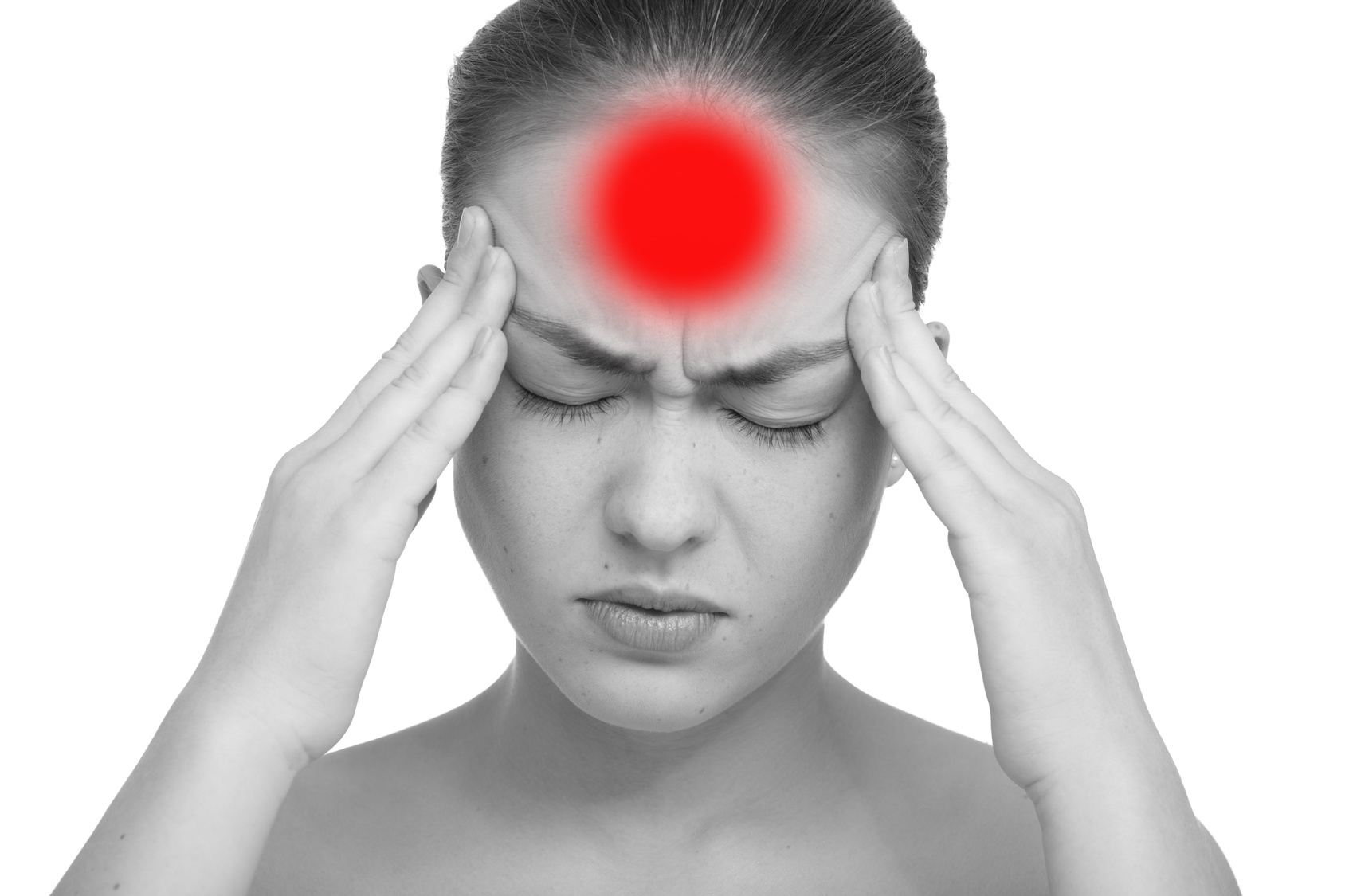
Beautiful young woman with headache touching her temples, isolated in white
BEAUTIFUL YOUNG WOMAN WITH HEADACHE TOUCHING HER TEMPLES, ISOLATED IN WHITE
This is just an introductory page to the use of Sphenopalatine Ganglion Blocks for intractable headaches and other conditions.
While there are no universal answers to pain the use of  Self Administered Sphenopalatine Ganglion Blocks can be the answer many patients are seeking.  My previous post on this site  has an extensive review of SPG Blocks and a wide bibliography of scientific literature.
Intractable / Refractory Headaches:  SPG Blocks are used in the ER when other treatments have failed:   https://www.aliem.com/2017/03/trick-sphenopalatine-ganglion-block-primary-headaches/
Intractable / Refractory Headaches:  Patients can use SPG Blocks without trip to ER.  Quality of life is horrible traveling to and waiting in ER.  Treatment in your own home is more comfortable and is more timely.
Intractable  Refractory Headaches:  Elimination of the majority of  physician visits for headaches  and migraines is obtainable.
Intractable / Refractory headaches:  SPG Blocks can prevent headaches and migraines and be used prophylactically to prevent or eliminate headaches and migraines.
Intractable / Refractory Headache:  Self Administration of SPG Blocks  allows patients to titrate frequency of treatment based on their needs to improve quality of life.
Intractable / Refractory Headaches Costs:  After initial visits the cost of  Self Administered Sphenopalatine Ganglion Blocks is under $1.00
Rebound headaches and Migraines:  SPG Bl0cks can treat and prevent rebound headaches and migraines.  Rebound Headache is not an issue with SPG Blocks
SPG Block  Testimonials on Reddit :  https://www.reddit.com/r/SPGBlocks/
Anxiety & Panic Attacks:  SPG Blocks turn off Fight or Flight Sympathetic Reflex (stress) and turn on Feed and Breed Parasympathetic reflex (good feeling of playing with babies, puppies or kittens….Love and affection)
Additional  effects of SPG Blocks:  Feelings of Well Being and safety.
Physiologic Effects SPG Blocks:  Can treat HBP and Essential Hypertension
Insomnia Treatment with SPG Blocks:  No medication side effects or morning hangovers.
Allergic Rhinitis Treatment with SPG Blocks:  https://thinkbetterlife.com/vasomotor-rhinitis-treatment-spg-block/
Treatment of TMJ Blocks:  Patient testimonials SPG Blocks and Neuromuscular dentistry.  The Myomonitor utilized by Neuromuscular Dentists stimulates the Sphenopalatine Ganglion while addressing trigeminal and facial nerves.  Patient Testimonials on Neuromuscular Dentistry on Reddit.
Te book “Miracles on Park Avenue” describes the amazing practice of Dr Milton Reder who treated a wide variety of chroni health and pain  conditions including intractable headaches using Sphenopalatine Ganglion Blocks (SPG Blocks)

Chicago Chronic Migraine and Chronic Daily Headache Relief, Treatment, Prevent6ion and Elimination: Neuromuscular Dentistry and Sphenopalatine Ganglion

The Sphenopalatine Ganglion is the connection between two of the most successful approaches to treating, preventing and eliminating Chronic Migraine, Tension Headaches, Cluster Headaches and TMJ disorders.    The Myomonitor has a fifty year safety record in Neuromuscular Dentistry and as a stimulator of the Sphenopalatine Ganglion.


The following is Reprinted with permission from www.sphenopalatineganglionblocks.com


Sphenopalatine Ganglion: Block, Radiofrequency Ablation and Neurostimulation – a Systematic Review


Sphenopalatine Ganglion Blocks have been called “The MIRACLE BLOCK” and were the topic of the book “Miracles on Park Avenue” detailing how Dr Milton Reder, A NEW YORKCITY ENT used them to change peoples lives.
This is an excellent review article published December 2017 discussing  Treatments to the Sphenopalatine Ganglion (also known as the Ptergopalatine Ganglion, the SPG, the Nasal Ganglion, Meckel’s Ganglion and as Sluder’s Ganglion).  It is on PubMed.gov and is available to the public for reprinting.  This article has an excellent Bibliography for anyone wanting more information on the sources with links to those on PubMed.
There are several new articles in 2018  that are of note for anyone interested in Sphenopalatine Ganglion Blocks and Stimulation.  They are  on the Blog on this site.
This link is to a currently active clinical trial on SPG Blocks for Transformed Migraine / Chronic Migraine.  https://www.sphenopalatineganglionblocks.com/transformed-migraine-chronic-migraine-study-spg-blocks-vs-elavil/
This link is to current clinical studies on Sphenopalatine Ganglion Blocks on Post-Dural Puncture Headaches.  https://www.sphenopalatineganglionblocks.com/new-study-sphenopalatine-ganglion-block-post-dural-puncture-headache/
This next link discusses two January 2018 articles that when reviewed together show an etiologic link of Essential Hypertension and Migraine.
 https://www.sphenopalatineganglionblocks.com/new-studies-point-common-etiologic-cause-migraines-essential-hypertension-spg-blocks-missing-piece/
This link has an excellent editorial on Sphenopalatine Ganglion Block: An Underutilized Tool in Pain Management with my comments that was published at the end of 2017.  The author,by Barry J. Kraynack (involved is sales with Tx360 device) did an excellent job and I have added my comments in the text.    
THE ARTICLE IS PRESENTED IN WHOLE.  MY COMMENTS WILL BE IN ALL CAPITALS TO BE CLEARLY IDENTIFIABLE.
IN NO WAY SHOULD MY COMMENTS BE CONSIDERED CRITIQUES OF THIS EXCELLENT PAPER, BUT RATHER MY PERSONAL VIEWS AND EXPERIENCES FORM 30 YEARS OF UTILIZING AND TEACHING SPG BLOCKS.
J Headache Pain. 2017 Dec 28;18(1):118. doi: 10.1186/s10194-017-0826-y.

Sphenopalatine ganglion: block, radiofrequency ablation and neurostimulation – a systematic review.

Abstract

Background

Sphenopalatine ganglion is the largest collection of neurons in the calvarium outside of the brain.  ACTUALLY, THE SPHENOPALATINE GANGLION COULD BE CONSIDERED  A PART OF  THE BRAIN AS IT IS ALL CRANIAL NERVES. Over the past century (SINCE 1908), it has been a target for interventional treatment of head and facial pain due to its ease of access. Block, radiofrequency ablation, and neurostimulation have all been applied to treat a myriad of painful syndromes. Despite the routine use of these interventions, the literature supporting their use has not been systematically summarized. This systematic review aims to collect and summarize the level of evidence supporting the use of sphenopalatine ganglion block, radiofrequency ablation and neurostimulation.

Methods

Medline, Google Scholar, and the Cochrane Central Register of Controlled Trials (CENTRAL) databases were reviewed for studies on sphenopalatine ganglion block, radiofrequency ablation and neurostimulation. Studies included in this review were compiled and analyzed for their treated medical conditions, study design, outcomes and procedural details. Studies were graded using Oxford Center for Evidence-Based Medicine for level of evidence. Based on the level of evidence, grades of recommendations are provided for each intervention and its associated medical conditions.

Results

Eighty-three publications were included in this review, of which 60 were studies on sphenopalatine ganglion block, 15 were on radiofrequency ablation, and 8 were on neurostimulation. Of all the studies, 23 have evidence level above case series. Of the 23 studies, 19 were on sphenopalatine ganglion block, 1 study on radiofrequency ablation, and 3 studies on neurostimulation.
(THE MYOMONITOR PROVIDES STIMULATION TO THE SPHENOPALATINE GANGLION  HAS BEEN USED FOR OVER 50 YEARS IN TREATING CHRONIC HEAD AND NECK PAIN AND TMJ DISORDERS BUT IT IS NOT MENTIONED IN ANY OF THESE PAPERS)
The rest of the available literature was case reports and case series. The strongest evidence lies in using sphenopalatine ganglion block, radiofrequency ablation and neurostimulation for cluster headache. Sphenopalatine ganglion block also has evidence in treating trigeminal neuralgia, migraines, reducing the needs of analgesics after endoscopic sinus surgery and reducing pain associated with nasal packing removal after nasal operations.
CLUSTER HEADACHES HAVE THE STRONGEST EVIDENCE BASED ON THE LITERATURE .  THERE ARE MANY NEW STUDIES BEING DONE AND SOME WERE PUBLISHED AFTER THIS REVIEW WAS SUBMITTED FOR PUBLICATION.  THERE ARE MANY CASE STUDIES AND CASE SERIES.

Conclusions

Overall, sphenopalatine ganglion is a promising target for treating cluster headache using blocks, radiofrequency ablation and neurostimulation. Sphenopalatine ganglion block also has some evidence supporting its use in a few other conditions. However, most of the controlled studies were small and without replications. Further controlled studies are warranted to replicate and expand on these previous findings.
THE SPHENOPALATINE GANGLION BLOCK IS EXTREMELY SAFE AND FREQUENTLY VERY SUCCESSFUL IT TREATING MANY CONDITIONS LEADING IT TO BE UTILIZED WITHOUT RANDOMIZED CONTROLLED STUDIES.  IT HAS OVER 100 YEARS OF USE FOR MANY CONDITIONS.
IN 1986 A POPULAR BOOK “MIRACLES ON PARK AVENUE” DETAILED THE PRACTICE OF A NYC ENT DR MILTON REDER WHOSE ENTIRE PRACTICE WAS USING SPG BLOCKS TO TREAT A WIDE VARIETY OF CONDITIONS.  I LEARNED ABOUT SPG BLOCKS IN 1986 WHEN A PATIENT BROUGHT ME A COPY OF THIS BOOK.
The online version of this article (10.1186/s10194-017-0826-y) contains supplementary material, which is available to authorized users.
Keywords: Sphenopalatine ganglion, Block, Radiofrequency ablation, Neurostimulation, Nerve stimulation, Neuromodulation

Review

The sphenopalatine ganglion (SPG) is also known as pterygopalatine ganglion, nasal ganglion or Meckel’s ganglion. It is the largest and most superior ganglion of sensory, sympathetic and parasympathetic nervous system. It has the largest collection of neurons in the calvarium outside of the brain. It is also the only ganglion having access to the outside environment through the nasal mucosa. SPG gives rise to greater and lesser palatine nerves, nasopalatine nerve, superior, inferior and posterior lateral nasal branches, as well as the pharyngeal branch of the maxillary nerve. There are also orbital branches reaching the lacrimal gland.
Because of its proximity to multiple important neuroanatomic structures in pain perception, SPG has been postulated to be involved in facial pain and headaches for over a century. For headache, SPG is thought to play a central role in the generation of trigeminal autonomic cephalalgia (TAC). TAC is a broad term that encompasses cluster headache, paroxysmal hemicrania, and short-lasting unilateral neuralgiform headache attack with conjunctival injection and tearing (SUNCT). It is typically distributed in the trigeminal distribution with ipsilateral cranial autonomic features. TAC is characterized by parasympathetic (lacrimation, rhinorrhea, nasal congestion and edema) activation and sympathetic dysfunction (ptosis and miosis). These clinical features can be explained by the activation of the sympathetic and parasympathetic pathways within SPG [1]. The disruption of this pathway by SPG blockade is thought to be central to relieving the headache produced by TAC. For face and neck neuralgias, connections of SPG with facial nerve, lesser occipital nerve and cutaneous cervical nerves are thought to be the mechanism [1]. Irritation of the SPG can also cause orbital, periorbital and mandibular symptoms through its connection with the ciliary and otic ganglions and reflex otalgia by its connection with the tympanic plexus. Connections of SPG with the vagus nerve may produce visceral symptoms in dysfunctional states [1]. SPG may also play an important role in vasodilation to protect the brain against ischemia from stroke or migraine with aura. This mechanism is thought to be through the postganglionic parasympathetic fibers, which are connected to the vascular beds of the cerebral hemisphere [2]. Because the upper cervical roots are connected to the superior cervical ganglion through the sympathetic trunk, which is connected to the deep petrosal nerve then to the SPG, SPG blockade is thought to be able to relieve pain from the head, face, neck and upper back [1]. This is the rationale for using SPG block in treating any head, face, neck pain refractory to conventional treatment.
  SPG BLOCKS ARE FREQUENTLY UTILIZED IN EMERGENCY  DEPARTMENTS IN PATIENTS WHO HAVE FAILED TREATMENT FOR SEVERE HEADACHE, CLUSTER HEADACHE OR MIGRAINE, OFTEN WITH GREAT SUCCESS.  THIS REVIEW AND OTHER CURRENT RESEARCH MAY MOVE THIS TREATMENT INTO A FIRST LINE TREATMENT IN ER DEPARTMENTS  FOR CLUSTER HEADACHES AND MIGRAINES.    TEACHING PATIENTS TO SELF ADMINISTER THESE BLOCKS MAY AVOID  THE NECESSITY FOR MANY ER  VISITS.
Through the inhibition of the sympathetic trunk, SPG block was also thought to be useful in treating generalized muscle pain including fibromyalgia and low back pain [3].  WHILE THERE IS NOT GOOD PUBLISHED DATA ON THIS MANY PATIENTS REPORT SUCCESS.  THIS VIDEO IS ONE SUCH FIBROMYALGIA PATIENT.  (https://www.youtube.com/watch?v=A5xUFtuZe_Y)
For postdural puncture headache, the pain mechanism is thought to be secondary to cerebrospinal fluid leak that exceeds the production rate, causing traction on the meninges and parasympathetic mediated reflex vasodilatation of the meningeal vessels. SPG blockade is thought to work through blocking the parasympathetic flow to the cerebral vasculature, allowing the cerebral vessels to return to normal diameter, thus relieving the headache [4].  ANEW ARTICLE PUBLISHED FEBRUARY 2, 2018 IS AT THIS LINK.  https://www.ncbi.nlm.nih.gov/pubmed/29402441  IT CONCLUDED THAT “blocking with ropivacaine was a simple, safe and effective technique, with immediate and sustained pain relief for at least 12-24h.”
Although the mechanism by which pain is produced from SPG is not well-characterized, SPG has been the treatment target ranging from cluster headache to low back pain. Three main types of interventions are currently available: chemical nerve block/lysis, radiofrequency ablation and neurostimulation. Some of these interventions are commonly performed in interventional pain clinics for treatment of headache resistant to conservative measures. Despite their use, the level of evidence for using SPG interventions varies widely across a myriad of conditions.  I AM STRONGLY OPPOSED TO CHEMICAL LYSIS AND/OR RADIOFREQUENCY ABLATION.  I SUGGEST THAT ONCE OR TWICE DILY SELF-ADMINISTRATION MAY BE MORE SUCCESSFUL AND CARRY SIGNIFICANTLY LOWER RISK.
In this systematic review, we sought to systematically collect the evidence supporting the use of these SPG interventions in treating various painful conditions. We also summarized the level of evidence for each condition and intervention.

Methods

Protocol

This systematic review applies the guidelines issued in the latest Preferred Reporting Items for Systematic Reviews and Meta-Analysis (Additional file 1: PRISMA).

Information sources

The electronic databases of PubMed (https://www.ncbi.nlm.nih.gov/pubmed/), Cochrane Central Register of Controlled Trials (CENTRAL, www.cochranelibrary.com), Google Scholar (https://scholar.google.com/) were searched to identify relevant articles. Additionally, references within eligible papers were screened for additional articles.

Literature search strategy

The search was conducted in May 2017. The search strategy was based on the Population, Intervention, Comparator, Outcome (PICO) framework and was conducted to find studies on sphenopalatine ganglion block, radiofrequency ablation and neurostimulation. Population (P) was defined as patients suffering from any medical condition; intervention (I) was limited to sphenopalatine ganglion block, sphenopalatine radiofrequency ablation, and sphenopalatine ganglion neurostimulation; patients receiving interventions were compared (C) to preintervention status, patients without treatment or healthy controls; the outcome (O) needed to either qualitatively or quantitatively measure the reduction in disease severity with intervention. The complete entered search strategy in PubMed was: “(sphenopalatine) AND ganglion) AND block” for sphenopalatine ganglion block; “(sphenopalatine) AND ganglion) AND radiofrequency” for radiofrequency ablation; and (sphenopalatine AND ganglion AND neurostimulation) OR (sphenopalatine AND ganglion AND neuromodulation).
I WOULD HAVE LIKED THE SEARCH TO INCLUDE SPG BLOCKS, PTERGOPALATINE GANGLION, MECKEL’S GANGLION AND NASAL GANGLION.  I HAVE NOT DONE THIS SEARCH AT THIS POINT TO LOOK FOR ANY MISSING REFERENCES.

Eligibility criteria and study selection

To be included in this review, studies had to meet the following criteria: 1. The study sample was human. 2. Interventions must be SPG block, SPG radiofrequency ablation or SPG neurostimulation. 3. Articles had to be written in English. 4. Full-Text articles had to be available. 5. Conference abstracts and reviews were excluded.
  MANY VALUABLE STUDIES COULD HAVE BEEN EXCLUDED BUT THIS IS A VERY LOGICAL STEP FOR A PAPER OF THIS KIND.

Data items and collection

The following items were compiled in the evidence tables for SPG block (Table 2-12):12): first author, year of publication, medical condition treated, approach, imaging modality, medication used for the procedure, number of cases, study design and outcome. For radiofrequency ablation, the following additional items were collected: radiofrequency ablation temperature, type of radiofrequency ablation, parameter used and how to identify the correct position of the radiofrequency cannula/probe. For neurostimulation, the following additional items were collected: type of stimulator, type of stimulation and how to identify the correct position.
THIS FIRST TABLE HAD A REFERENCE THAT LOOKED AT 2000 PATIENTS WITH REMOTE DYSFUNCTIONS USING COTTON TIPPED APPLICATORS.  THE REMOTE DYSFUNCTIONS WERE ARRESTED.  I WILL ATTEMPT TO FIND THIS ORIGINAL ARTICLE TO ADD MORE INFORMATION.  THIS IS REFERENCE 73 IN THIS PAPER.
Byrd et al. [73]1930“Remote dysfunctions”Cotton tipped applicator, transnasal approachNone50% butynOver 2000 casesCase seriesRemote dysfunctions were ARRESTED
Table 2
Studies with evidence level above case series in SPG block, radiofrequency ablation and neurostimulation
Table 12
Studies of SPG blocks for other syndromes

Risk of bias assessment

The quality of randomized-controlled studies was assessed using the 7-item criteria in Review Manager Software version 5.35 provided by the Cochrane Collaboration [5]. The 7-item criteria contained: (1) random sequence generation; (2) allocation concealment; (3) blinding of participants and personnel; (4) blinding of outcome assessment; (5) incomplete outcome data; (6) selective reporting and (7) other bias.

Analysis of evidence and recommendations

Level of evidence was graded based on Oxford Center for Evidence-based Medicine (1a: Systematic review of randomized-controlled trials. 1b: Individual randomized-controlled trials with narrow confidence interval. 2a: Systematic review of homogenous cohort studies. 2b: Individual cohort studies and low quality randomized-controlled trial. 3a: Systematic review of homogenous case-control studies. 3b: Individual case-control study. 4. Case series and poor-quality cohort and case-control studies. 5. Expert opinion. Grade of recommendation: A: Consistent level 1 studies. B: Consistent level 2 or 3 studies or extrapolations from level 1 studies. C: Level 4 studies or extrapolations from level 2 or 3 studies. D: Level 5 evidence or troublingly inconsistent or inconclusive studies of any level. Risk of bias in individual studies and across studies were not systematically assessed as most studies included in this review were case reports and case series.

Results

Overall summary

The result of the search process is provided in Fig. 1. 60 articles were included for SPG block, 15 articles for SPG radiofrequency ablation, and 8 articles for SPG neurostimulation.
THIS ARTICLE EXCLUDED 56 ARTICLES ON SPG BLOCKS, 19 ON RADIOFREQUENCY ABLATION AND 79 ON NEUROSTIMULATION.
Fig. 1
Overview of the systematic review process
The evidence levels and grades of recommendation for SPG block, radiofrequency ablation and neurostimulation are summarized in Table 1. Any study with evidence level above case series is included in Table Table2.2. Risk of bias of randomized-controlled studies is summarized in Fig. 2. Most randomized-controlled studies included in this review have adequate randomization and blinding of participants and personnel.
Table 1
Summary of evidence level and grade of recommendation for SPG block, radiofrequency ablation and neurostimulation
Fig. 2
Risk of bias summary of randomized-controlled studies
In the following sections, we will summarize the level of evidence and grades of recommendations by the type of SPG interventions and associated medical conditions.

Sphenopalatine ganglion block

Sixty articles were included for sphenopalatine ganglion block. Of the 60 studies, 11 were small randomized-controlled studies, and 1 was retrospective case-control study. The rest of the literature included case reports and case series. The type of blocking agent varied across studies, but they could be broadly put into three categories: cocaine, voltage-gated sodium channel blocker (local anesthetics), and a combination of voltage-gated sodium channel blocker and steroids. Voltage-gated sodium channel blocker is the most commonly used agent.

Cluster headache

There were nine articles on chronic cluster headaches collected through our literature search (see Table 3). One was a small double-blind placebo-controlled study (level 2b), six were case series and two were case reports (level 4, see Table Table3).3). Costa et al. [6] reported a double-blind, placebo-controlled study using 15 cases of episodic and chronic cluster headaches. Cluster headache was induced with nitroglycerin, and SPG was treated with 10% solution of cocaine hydrochloride (1 ml, mean amount of application of 40-50 mg), 10% lidocaine (1 ml) or saline using a cotton swab previously immersed in these solutions. The cotton swab was placed in the region corresponding to the sphenopalatine fossa under anterior rhinoscopy. This was done in both the symptomatic and the non-symptomatic sides for 5 min. Patients treated with cocaine and lidocaine reported relief in 31.3 min in the cocaine group and 37 min for lidocaine group, compared to 59.3 min in the saline group. The side effect was mainly the unpleasant taste of lidocaine. This study was limited by its small number of participants, the acutely induced cluster headache from nitroglycerin, and its measure on only short-term outcome.
  I CONSIDER SPG BLOCKS TO BE A FIRST LINE TREATMENT OF CLUSTER HEADACHES ALONG WITH OXYGEN.
SELF-ADMINISTERED SPG BLOCKS MAY BE THE BEST CLUSTER HEADACHE PROPHYLAXIS.
Table 3
Studies of SPG block for cluster headache
Other case reports/series using cocaine and local anesthetics as blocking agents generally reported good immediate outcomes for aborting acute cluster headache. One study using cocaine reported 10 out of 11 patients receiving 50-100% relief from spontaneous cluster headache [7], another study using lidocaine reported four out of five patients receiving relief from nitrate-induced cluster headache [8]. Because of the short-term relief from cocaine and lidocaine, steroid has been tried to prolong the relief provided by SPG block. In one case series, combination of triamcinolone, bupivacaine, mepivacaine and epinephrine helped improve severity and frequency of cluster headaches in 11 out of 21 patients [9]. The same cocktail helped 55% of the 15 treated patients in another case series [10].
I ROUTINELY TEACH PATIENTS TO SELF ADMINISTER SPG BLOCKS WITH LIDOCAINE AND OFTEN LEAVE THEM IN FOR MUCH LONGER PERIODS OF TIME.  I UTILIZE COTTON-TIPPED NASAL CATHETERS THAT PROVIDE CONTINUAL CAPILLARY FEED OF ANESTHETIC.  PATIENTS WILL INITIALLY UTILIZE IT TWICE DAILY AND TAPER DOWN ADMINISTRATION OVER TIME.
In summary, SPG block has moderate evidence in treating cluster headache. The overall grade of recommendation is B for SPG block on cluster headache. The strongest evidence lies in aborting nitroglycerin-induced cluster headache using local application of cocaine or lidocaine with cotton swab through the transnasal approach. The side effect was mainly the unpleasant taste of lidocaine. Addition of steroid may provide longer relief, but the evidence remains weak (Grade C recommendation).

Trigeminal neuralgia

There were four articles on SPG block for trigeminal neuralgia through our literature search. One was a randomized-controlled study (level 2b), two were case series and one case report (level 4, see Table 4). Kanai et al. performed a randomized-controlled study with 25 participants with refractory second-division trigeminal neuralgia [11]. In this study, twenty-five patients with second-division trigeminal neuralgia were randomized to receive two sprays (0.2 ml) of either lidocaine 8% or saline placebo in the affected nostril using a metered-dose spray. The paroxysmal pain triggered by touching or moving face was assessed. Intranasal lidocaine 8% spray significantly decreased the paroxysmal pain for an average of 4.3 h. The side effects were limited to local irritation with burning, stinging or numbness of the nose and eye, and bitter taste and numbness of the throat.
THE BITTER TASTE IN THE THROAT IS LESS WHEN UTILIZING SLOWLY RELEASED LIDOCAINE THROUGH COTTON-TIPPED NASAL CATHETERS.  I HAVE SEEN EXCELLENT RESULTS IN A SMALL NUMBER OF TRIGEMINAL NEURALGIA PATIENTS.  SOMETIMES IT IS NECESSARY TO UTILIZE AFRIN NASAL SPRAY (OXYMETAZOLINE) TO OPEN PASSAGES OR 2% LIDOCAINE SPRAY TO INCREASE COMFORT.  I NEVER UTILIZE CORTICOSTEROIDS FOR THE SPG BLOCKS
One case series [12] and one case report [13] reported immediate pain relief from nerve blocks with lidocaine and bupivacaine. One case series used a combination of dexamethasone and ropivacaine with the Tx360 applicator, which resulted in short-term pain relief [14]. Multiple blocks over time seemed to provide longer pain relief but it was restricted to isolated cases.
Table 4
Studies of SPG block for trigeminal neuralgia
In summary, the overall grade of recommendation is B for SPG block on trigeminal neuralgia. The strongest evidence lies in treating with 8% lidocaine nasal spray in the affected nostril.
I WILL ALWAYS ADMINISTER BILATERAL SPG BLOCKS AS THEY SEEM TO BE MORE EFFECTIVE.  WHEN I HAVE AN EASY AND DIFFICULT NASAL PASSAGEWAY I WILL ALWAYS BEGIN WITH THE EASIER TO NEGOTIATE SIDE AND SOMETIMES SEE COMPLETE RELIEF FROM CONTRALATERAL BLOCK.  THE PATIENT USUALLY FEELS “EVEN BETTER” AFTER IPSILATERAL BLOCK.
The analgesia is effective but temporary (4.3 h). It is well-tolerated with side effects limited to local irritations.
THE LONGER EXPOSURE AND MORE FREQUENT APPLICATIONS ARE, IN MY OPINION, KEY TO THE BEST RESULTS.
Addition of steroid and use of the Tx360 applicator may be useful but there has not been a controlled study.

Migraine

There was one small double-blind, placebo-controlled study and one long-term follow-up of the same study (level 2b), two case series and one case report (level 4, see Table 5). Cady et al. [15] reported a randomized-controlled study using the Tx360 device and bupivacaine to acutely treat chronic migraines with repetitive SPG blockade. 38 subjects with chronic migraines were included in the final analysis. Participants received a series of 12 SPG blocks with either 0.3 cm3 of 0.5% bupivacaine or saline delivered with the Tx360® through each nostril, over a 6-week period (2 SPG blocks/week). SPG block was found to be effective in reducing the severity of migraines up to 24 h. However, repetitive blocks did not provide any statistically significant relief at 1-month or 6-month follow-ups [16]. The most common side effects were mouth numbness, lacrimation, and bad taste, but there was no statistical difference in frequency of side effects between the bupivacaine and saline groups.
I BELIEVE STUDIES DONE WITH DAILY OR TWICE DAILY SELF-ADMINISTRATION OF SPG BLOCKS WOULD SHOW FAR SUPERIOR RESULTS, THE TX360 HAS BEEN USED TO SELF ADMINISTER SPG BLOCKS BY SOME PROVIDERS AND I HAVE TAUGHT PATIENTS TO SELF-ADMINISTER SPG BLOCKS WITH THE SPHENOCATH AS WELL  THIS VIDEO IS A MIGRAINE PATIENT:
  https://www.youtube.com/watch?v=nhKkWN1mXAU

Table 5
Studies of SPG block for migraine
Given the positive randomized-controlled study, grade of recommendation is B for short term treatment of chronic migraines using 0.5% bupivacaine with the Tx360 device®. It should be noted that the effect is only present for 24 h. and it is not suitable for patients seeking relief greater than 24 h.

Postoperative pain of the head and face

There were six randomized-controlled studies, one case-control study and one case series falling under this category (Table 6).
BILATERAL (ACCIDENTAL) SPG BLOCKS ROUTINELY ARE DONE FOR ORAL-MAXILLOFACIAL SURGICAL PROCEDURES THAT REQUIRE ANESTHESIA TO THE MAXILLARY DIVISION OF THE TRIGEMINAL NERVE.
Table 6
Studies of SPG blocks for operative pain of the head and face
Six randomized-controlled studies examined the efficacy of SPG blockade in reducing the needs of analgesics after endoscopic sinus surgery (level 2b). One study by Cho et al. [17] did not show significant difference between SPG block and placebo, but five additional randomized-controlled studies showed significant reduction in the need of post-operative analgesics in the group treated with SPG block [1822]. The five positive studies used 0.5% lidocaine with epinephrine [18], 1.5% lidocaine with epinephrine [22], 0.5% bupivacaine or 0.5% levobupivacaine [22], 2% lidocaine and 1% tetracaine [21]. The SPG block was applied using injections, bilaterally through the transnasal or palatal approach. There was no difference in complications between the treatment and placebo group.
Hwang et al. [23] reported a case-control study to assess the efficacy of SPG block in reducing the pain associated with nasal packing removal after nasal operation (level 3b). 1% lidocaine was injected into the greater palatine canal ipsilaterally using infrazygomatic approach. Participants reported significantly lower pain on the side of the nose that received SPG block compared to the control side.
Robiony et al. [24] reported one case series (level 4) on the effectiveness of combined maxillary transcutaneous nerve block and SPG block in reducing postoperative pain for surgical correction of skeletal transverse discrepancy of the maxilla.
Given five positive double-blind placebo-controlled studies and one negative study, the grade of recommendation is B for SPG block in improving postoperative analgesia efficacy after endoscopic sinus surgery. Each study blocked SPG with injection of different local anesthetics using different approaches. In 5 studies, SPG block was consistently found to be effective in reducing the need of analgesics after endoscopic sinus surgery. A combination with maxillary transcutaneous nerve block may be also helpful but further systematic study is necessary to evaluate its efficacy. Grade of recommendation is also B for reducing pain associated with nasal packing removal after nasal surgery, using lidocaine injection through the infrazygomatic approach.

Head and neck cancer pain

Three case reports and series were found (level 4 evidence, Table 7). One study was SPG block and two on SPG neurolysis with phenol. The largest case series was by Varghese et al. [25], who reported 22 cases of successful treatment with 6% phenol used via nasal endoscopy, as a neurolytic sphenopalatine ganglion block, for pain caused by advanced head and neck cancer. The overall grade of recommendation is C for any of these painful conditions.
THERE IS AN EXCELLENT ARTICLE FROM INDIA ON SELF (HOME) ADMINISTRATION OF SPG BLOCKS FOR CANCER PAIN.  I HAVE DISCUSSED THIS AND REPRINTED THE ARTICLE WITH MY COMMENTS.
 https://www.sphenopalatineganglionblocks.com/sphenopalatine-ganglion-block-head-neck-cancer-pain-self-administered-blocks-key-improving-quality-life/
Table 7
Studies of SPG block for cancer pain

Postherpetic neuralgia

A total of three case reports and series were found through our search process (level 4 evidence, Table 8). All three articles reported successful treatment of postherpetic neuralgia with SPG block using local anesthetics. One study reported successful treatment of postherpetic neuralgia involving the ophthalmic division of the trigeminal nerve, by SPG block under direct visualization through nasal endoscopy [26]. Another article reported success in treating sinus arrest in postherpetic neuralgia by SPG block through trans-nasal approach utilizing cotton tipped applicators [27], and one study reported successful treatment of herpes zoster within a heterogeneous case series [28]. The overall grade of recommendation is C.
Table 8
Studies of SPG block on postherpetic neuralgia

Musculoskeletal pain

I HAVE SEEN VERY GOOD RESULTS IN UTILIZING SPG BLOCKS WITH OTHER TREATMENTS DO ADDRESS MUSCULOSKELETAL PAIN.  PLEASE SEE THE FOLLOWING VIDEO:
There were two negative randomized-controlled study on head, neck and shoulder myofascial pain. There were also a small case-control study on low back pain, a small randomized-controlled study on chronic muscle pain syndrome and two large case series in our literature search (Table 9).
Table 9
Studies of SPG block for musculoskeletal pain
Successful treatment of lumbosacral pain with SPG block was initially reported in two large case series in the 1940s [2829]. However, further randomized-controlled studies dismissed these findings. Scudds et al. [3] reported a randomized-controlled study applying SPG block (cotton-tipped pledgelets with 4% lidocaine) to 42 participants with fibromyalgia and 19 participants with myofascial pain syndrome. He reported no statistical difference between treatment and placebo group in pain intensity, headache frequency, sensitivity to pressure, anxiety, depression, and sleep quality. Janzen et al. [30] reported a similar randomized-controlled study by applying SPG block with lidocaine spray. Forty-two participants with fibromyalgia and 19 with myofascial pain syndrome were included in his study. He again found not difference between the treatment and placebo group. Ferrante et al. [31] reported a randomized-controlled study with 13 cases of head, neck and shoulder myofascial pain and 7 healthy controls. He also showed no significant effect with SPG block. On low back pain, Berger et al. [32] reported a case-control study with 21 patients randomized to cocaine, lidocaine and saline. He did not find significant differences in outcomes. Given the negative randomized-controlled studies, it is not recommended to use SPG block on musculoskeletal pain.
THIS VIDEO IS A FIBROMYALGIA PATIENT:

Postdural puncture headache

There were two case series and one case report (level 4) reporting successful treatment of postdural puncture headache (Table 10). No higher-level studies were available. Cohen et al. [33] reported the largest case series of 32 cases with postdural puncture headache. In the series, 69% of the patients treated with transnasal SPG block were saved from epidural blood patch. The overall grade of recommendation is C for SPG block on postdural puncture headache.
Table 10
Studies of SPG blocks for postdural puncture headache

Other pain syndromes of the head and face

Pain syndromes involving the head and face not belonging to any category mentioned above are summarized in Table 11. There was a negative randomized-controlled study using Tx360 device treating acute anterior and global headache [34]. There were also multiple case reports and series on the effectiveness of SPG in controlling various types of head and facial pain. Local anesthetics and steroids have been used for SPG block, while phenol and alcohol have been used for SPG neurolysis. They have been successfully used in Sluder’s neuralgia, sphenopalatine maxillary neuralgia, facial neuralgia, sympathetic neuralgia, post-traumatic atypical facial pain, atypical odontalgia, pain from midline granuloma, herpetic keratitis, hemifacial headache, paroxysmal hemicrania, nasal pain, hemicrania continua and trigeminal neuropathy. The largest case series was provided by Rodman et al. [35], documenting 147 patients with various types of nasal pain and headache. He reported that 81.3% of the patients had pain relief after receiving SPG block with a mixture of bupivacaine and triamcinolone. Schaffer et al. [34] reported a randomized placebo-controlled study using Tx360 device to treat acute anterior or global headache. A total of 93 participants were recruited in the study, but the study showed no statistical significance between the treatment and control groups. Because of the result, we do not recommend SPG block for anterior or global headache. The overall grade of recommendation is C for other types of head and facial pain, including Sluder’s neuralgia, sphenopalatine maxillary neuralgia, facial neuralgia, sympathetic neuralgia, post-traumatic atypical facial pain, atypical odontalgia, pain from midline granuloma, herpetic keratitis, hemifacial headache, paroxysmal hemicrania, nasal pain, hemicrania continua and trigeminal neuropathy.
Table 11
Studies of SPG blocks for other pain syndromes of the head and face

Other syndromes

SPG block has been used for a myriad of other conditions not involved in painful syndromes of the head and face. These conditions include seizures associated nasal pathology, arthritic pain and muscle spasm, intercostal neuritis, persistent hiccups, ureteral colic, dysmenorrhea, peripheral painful vascular spasm, complex regional pain syndrome and hypertension (Table 12). Most of these studies reported significant improvement, but none of them had evidence level above case series. There was one randomized-controlled study in assessing the efficacy of SPG block in treating nicotine addiction, but the result was negative [36]. One small double-blind cross-over study examined whether SPG block reduces experimentally induced pain using submaximal effort tourniquet test, but the SPG block failed to make a difference in pain perception [37].
Overall, the grade of recommendation for any of these syndrome remains at C. SPG block is not recommended for nicotine addiction due to the negative randomized study.

Summary for SPG block

Grade of recommendation of using SPG block is B for cluster headache, second-division trigeminal neuralgia, migraine, reducing the pain associated with nasal packing removal after nasal operation and for reducing the needs of analgesics after endoscopic sinus surgery. Out of these conditions, SPG block has the best evidence in reducing the needs of analgesics after endoscopic sinus surgery, as there are six randomized-controlled studies. It should be noted that the recommendation for cluster headache, second-division trigeminal neuralgia and migraine are each based on one small study, and it is only meant for acute treatment. There is no positive controlled study warranting chronic treatment with SPG block. For other pain syndromes, grade of recommendations is C due to the lack of positive controlled studies. These syndromes include postdural puncture headache, sphenopalatine maxillary neuralgia, facial neuralgia, sympathetic neuralgia, post-traumatic atypical facial pain, atypical odontalgia, pain from midline granuloma, herpetic keratitis, hemifacial headache, paroxysmal hemicrania, nasal pain, hemicrania continua, trigeminal neuropathy, cancer pain, seizures associated nasal pathology, arthritic pain and muscle spasm, intercostal neuritis, persistent hiccups, ureteral colic, dysmenorrhea, peripheral painful vascular spasm, complex regional pain syndrome and hypertension. Use of SPG block for myofascial pain, including fibromyalgia and head, neck, shoulder myofascial pain and low back pain, is not recommended due to several negative randomized-controlled studies.

Radiofrequency ablation

Fifteen studies were included on the topic of SPG radiofrequency ablation. One study was a small but positive prospective cohort study for cluster headaches, while the other 14 studies were case reports and case series. There were no controlled studies.

Cluster headache

There was one prospective cohort study and eight case reports/series on the treatment of cluster headache. Three case reports were on pulsed radiofrequency and six on continuous radiofrequency ablation (Table 13). Narouze et al. [38] performed a prospective cohort study of 15 cases of chronic cluster headaches treated with radiofrequency ablation using infrazygomatic approach under fluoroscopy guidance. A total of 0.5 mL of lidocaine 2% was injected and 2 radiofrequency lesions were carried out at 80 °C for 60 s each. After the ablation, 0.5 mL of bupivacaine 0.5% and 5 mg of triamcinolone were injected. He reported statistically improved attack intensity, frequency and pain disability index up to 18 months (level 2b). As for side effects: 50% (7/15) reported temporary paresthesias in the upper gums and cheek that lasted for 3-6 weeks with complete resolution. In only one patient, a coin-like area of permanent anesthesia over the cheek persisted. Sanders et al. [39] reported the largest case series of 66 cluster headache patients treated with radiofrequency ablation after 12 to 70 months. He reported complete relief in 60.7% of patients with episodic cluster headache, and in 30% of patients with chronic cluster headache. Of the 66 treated patients, eight patients experienced temporary postoperative epistaxis and 11 patients exhibited cheek hematomas. A partial radiofrequency lesion of the maxillary nerve was inadvertently made in four patients. Nine patients complained of hypoesthesia of the palate, which disappeared in all patients within 3 months.
Table 13
Studies of SPG radiofrequency ablation on cluster headache
The grade of recommendation is B for treating cluster headache with radiofrequency ablation because of the positive cohort study.

Other head and facial pain

IROUTINELY TREAT A WIDE VARIETY OF TMJ AND OROFACIAL PAIN CONDITIONS UTILIZING SELF ADMINISTERED SPG BLOCKS:
https://www.youtube.com/channel/UCk9Bfz6pklC7_UluWFHzLrg/videos

There were Seven case reports/series on various head and facial pain other than cluster headaches (all level 4, Table 14). These included Sluder’s neuralgia, posttraumatic headache, chronic head and facial pain, atypical trigeminal neuralgia, atypical facial pain, chronic facial pain secondary to cavernous sinus meningioma, trigeminal neuralgia and SPG neuralgia due to herpes zoster. Akbas et al. [40] reported a 27-case series with various types of head and facial pain. In 35% of the cases, pain was completely relieved, while 42% had moderate relief and 23% had no relief with the SPG radiofrequency ablation. Because there were only case reports and case series available, the grade recommendation is C for any of these conditions.
Table 14
Studies of SPG radiofrequency ablation on head and facial pain

Summary for SPG radiofrequency ablation

Grade of recommendation is B for applying SPG radiofrequency ablation to intractable cluster headache. The protocol used in the cohort study took infrazygomatic approach under fluoroscopy and two radiofrequency ablations were carried out at 80 °C for 60 s. However, there is not yet a randomized-controlled study to test its efficacy. Grade of recommendation is C for other head and facial pain, including Sluder’s neuralgia, posttraumatic headache, atypical trigeminal neuralgia, atypical facial pain, chronic facial pain secondary to cavernous sinus meningioma, trigeminal neuralgia and SPG neuralgia due to herpes zoster.

Sphenopalatine ganglion neurostimulation

Eight studies were included for SPG neurostimulation. There was one randomized-controlled study with two long-term follow-ups of the same study and five case report/case series on sphenopalatine ganglion neurostimulation (Table 15).
TYHE BIGGEST USERS OF SPG NEUROSTIMULATION ARE NEUROMUSCULAR DENTISTS WHO HAVE BEEN UTILIZING ULF-TENS TO STIMULATE THE SPHENOPALATINE GANGLION FOR OVER 50 YEARS WHILE STIMULATING THE SOMATO-SENSORY COMPONENTS OF THE TRIGEMINAL AND FACIAL NERVES
Table 15
Studies of SPG neurostimulation

Cluster headache

There was one randomized-controlled study with two long-term follow-ups of the same study, and two case reports/series on cluster headache. Schoenen et al. [41] reported a randomized-controlled trial using SPG neurostimulator for patients with refractory cluster headaches. Twenty-eight patients underwent SPG stimulator implantation and stimulations were applied at the onset of cluster headache. The study employed a protocol that randomly inserted a placebo when treatment was initiated by the patient for a cluster headache attack. Three settings were delivered in a randomized fashion (1:1:1): full stimulation (i.e. customized stimulation parameters established during the therapy titration period), sub-perception stimulation, and sham stimulation. A total of 566 cluster headaches were treated, and pain relief was achieved in 67.1% of patients receiving full stimulation compared to 7.4% receiving sham treatment (P < 0.0001). Pain relief using sub-perception stimulation was not significantly different from sham stimulation (P = 0.96). Acute rescue medication was used in 31% of cluster headache attacks in patients receiving full stimulation, compared to 77.4% treated with sham stimulation (P < 0.0001) and 78.4% with sub-perception stimulation (P < 0.0001). In terms of side effect, most patients (81%) experienced transient, mild to moderate loss of sensation within distinct maxillary nerve regions; 65% of events resolved within 3 months. Jurgens et al. [42] reported a cohort study from the subjects who volunteered to be followed for 24 months from the study by Schoenen et al. In this study, 61% of patients were either acute responder (>50% relief from moderate or greater pain) or frequency responder (>50% in attack frequency) at 24 months. Barloese et al. [9] analyzed participants who experienced remission from the same dataset. 30% of participants were found to have at least 1 episode of complete attack remission in the 24-month period. Ansarinia et al. [44] reported a case series of 6 patients. Out of the 18 attacks recorded, there were 11 attacks receiving complete relief from the stimulations, 3 getting partial relief and 4 without relief.
With the positive randomized-controlled trial, the grade of recommendation is B for using SPG neurostimulation on cluster headache. Given the positive effect from these studies, further trials are encouraged.

Migraine headache

There was one case series of 11 cases on SPG neurostimulation in acutely treating intractable migraine headaches [45]. In this study, 11 patients with a history of migraine headache for a mean of 20 years were studied. Spontaneous and induced migraine headaches were acutely treated with SPG neurostimulation. Out of the 11 treated, two patients were pain-free, three had some pain reduction, while five had no response. Because of the largely negative response, there is currently not enough evidence for treating intractable migraine with SPG neurostimulation.

Other head and facial pain

There was one case series and one case report on other types of head and facial pain. William et al. [46] reported a case series on idiopathic facial pain, supraorbital neuropathy, hemicrania continua, facial anesthesia dolorosa and occipital neuropathy. SPG neurostimulation was combined with trigeminal or peripheral stimulation. 80% of the patients reviewed reported sustained relief in facial pain. It is unclear whether SPG stimulation alone would provide the same relief in these cases. Elahi et al. [47] reported a single case of SPG neurostimulation for idiopathic facial pain with good success.
Given the sparse literature, the grade of recommendation is C for SPG neurostimulation in idiopathic facial pain and D for SPG stimulation combined with trigeminal/peripheral stimulation in supraorbital neuropathy, hemicrania continua, facial anesthesia dolorosa and occipital neuropathy.

Summary for SPG neurostimulation

Grade of recommendation is B for applying SPG neurostimulation to cluster headache and C for idiopathic facial pain. There may be a role of combined SPG and trigeminal or peripheral neurostimulation in isolated cases. Due to its invasive nature, SPG neurostimulation warrants further investigations with more high quality, large-scale studies.

Discussion

Sphenopalatine ganglion block

Sphenopalatine ganglion block has been used for over a century. In 1908, Sluder first proposed that inflammation in the posterior ethmoid and sphenoid sinuses may be involved in unilateral facial pain associated with tearing, congestion and rhinorrhea. He also claimed to have successfully treated facial neuralgia, asthma, earache and lower-half headache. Over time, the term Sluder’s neuralgia has varied definitions across the medical literature. Its characteristics mostly resemble cluster headache AND TMJ DISORDERS and it has been suggested that the term Sluder’s neuralgia be discarded [48]. However, an analysis suggested that cluster headache and Sluder’s neuralgia may be two different entities [49]. This review kept Sluder’s neuralgia and cluster headaches as two distinct type of headaches because of the differences. Since Sluder’s first publication, SPG block has been reported to be used successfully in treating multiple pain syndromes, including cluster headaches, trigeminal neuralgia, migraine, postherpetic neuralgia and atypical facial pain. It was also used for treating intractable cancer pain of the head and face as well as facial pain management after endoscopic sinus surgery. However, for most pain syndromes the evidence for using SPG nerve block remains at case report and case series level. There were a few small yet positive randomized-controlled studies in nitroglycerin-induced cluster headache, second-division trigeminal neuralgia, migraine, reducing the pain associated with nasal packing removal after nasal operation and for reducing the needs of analgesics after endoscopic sinus surgery. It should be emphasized that the evidence for treating these conditions with SPG block is based on very few small studies. The exception lies in reducing the needs of analgesics after endoscopic sinus surgery, which is backed by five randomized-controlled studies. It should be also noted that long-term treatment may not be beneficial, as demonstrated by the chronic repetitive block study in migraine by Cady et al. [16]. When SPG block is offered as a treatment option, patients should be informed of such caveats.

Blocking strategies

Several techniques exist for SPG blockade. Four types of applications exist: cotton-tip applicator, Tx360 device, nasal spray and needle injections. Three main types of approaches exist: transnasal, transoral and infrazygomatic approaches. Cotton-tip applicator, Tx360 device and nasal spray can only be applied through the transnasal approach. Needle injection, on the other hand, can be performed in any approach. Applied local anesthetics included lidocaine, bupivacaine, ropivacaine, levobupivacine, mepivacaine, novocaine, nupercaine, pontocaine, monocaine, tetracaine, and prilocaine, with varying concentrations, but lidocaine and bupivacaine were by far the most common. Other medications include cocaine, ethanol and phenol. Co-medications included epinephrine, triamcinolone and dexamethasone. Some studies used fluoroscopy or CT to guide needle placement. Unfortunately, there are no head-to-head trials comparing the efficacy among different blocking strategies. The recommendations made in this article are based on strategies used in the positive controlled studies.
SPG BLOCKS WITH TRANSNASAL COTTON-TIPPED NASAL CATHETERS ARE EASY TO SELF ADMINISTER AND IN MY EXPERIENCE ARE EXTREMELY EFFECTIVE AND EASY FOR PATIENTS TO LEARN THE PROCEDURE.

Side effects

Side effects from SPG blockade is typically local. Potential side effects are numbness and stinging at the root of the nose and palate, numbness or lacrimation of ipsilateral eye, and bitter taste and numbness of the throat. With needle injection techniques, there is also the risk of bleeding, infection and epistaxis.

Sphenopalatine ganglion radiofrequency ablation

The use of radiofrequency on sphenopalatine ganglion was first reported by Salar et al. [50] for treating Sluder’s neuralgia. Since the first report, there were multiple case reports on using SPG radiofrequency ablation in treating head and facial pain. About half of the reports focused on treating cluster headaches, but it has also been successfully used on patients with post-traumatic headache, atypical trigeminal neuralgia and anesthesia dolorosa after cavernous meningioma surgery. However, most of the literature today remains at the case report and case series level. There was only one small prospective cohort study on the effectiveness of SPG radiofrequency ablation. Well-controlled studies are yet to be performed to confirm the validity of this therapeutic modality in treating headache and facial pain.
Compared to the short-lived effect of SPG block, SPG radiofrequency ablation tend to be long lasting. Narouze et al. [38] reported statistically improved attack intensity, frequency and pain disability index up to 18 months in patients who underwent SPG radiofrequency ablation. As a comparison, Costa et al. [6] only reported shorter cluster headache duration with SPG block, and Cady et al. reported only up to 24 h of relief in chronic migraine [15] while no difference was found at 1 and 6 months with repetitive SPG block [16].

Ablation strategies

Most radiofrequency ablation of SPG were carried out with the infrazygomatic approach. The most commonly used temperature is 80 °C for thermal ablation, and 42 °C for pulsed ablation. There is unfortunately no head-to-head comparison between the two types of ablations. All studies confirmed the position of RF cannula/probe by applying low voltage sensory stimulation (between 0.2-0.1 V) while patients felt paresthesia or tingling sensation at the root of the nose. The only study with evidence level above case series was a cohort study on patients with chronic cluster headache [38]. In this positive study, the authors applied 2 rounds of thermal ablation at 80 °C for 60 s each. Pre- and post-ablation medications were also given (pre: 0.5 ml of 2% lidocaine; post: 0.5 ml of 0.5% bupivacaine and 5 mg of triamcinolone).

Side effects

Based on the study by Narouze et al. [38], about 50% (7/15) reported temporary paresthesias in the upper gums and cheek that lasted for 3-6 weeks with complete resolution. Rare permanent small zone of hypoesthesia over the cheek could also happen. In the large case series by Sanders et al. [39], of the 66 treated patients, eight patients experienced temporary postoperative epistaxis and 11 patients exhibited cheek hematomas. A partial radiofrequency lesion of the maxillary nerve was inadvertently made in four patients. Nine patients complained of hypoesthesia of the palate, which disappeared in all patients within 3 months.

Sphenopalatine ganglion neurostimulation

Neurostimulation has emerged in recent years as a potential therapeutic modality for headaches and facial pain. Even though number of studies on SPG neurostimulation has not been abundant, the overall quality of the studies has been high. The study by Shoenen et al. [41] was the only randomized-controlled study in using SPG neurostimulation to treat chronic cluster headache. Despite the small number of participants, the effectiveness is demonstrated by the large effect size and highly significant P value. The two long-term follow-up articles continued to support the effectiveness of such intervention [4243]. These three studies combined is the strongest piece evidence to date, suggesting that SPG neurostimulation is effective in treating cluster headache. There were other isolated case reports on the successful application of SPG neurostimulation to other pain syndromes, but higher level of evidence is lacking.

Stimulation strategies

Stimulation settings vary widely across study subjects, stimulator models and studies. In the controlled study by Schoenen et al. [41], the mean frequency was 120.4 ± 15.5 Hz, mean pulse width 389.7 ± 75.4 Î¼s with mean intensity 1.6 ± 0.8 mA during full stimulation. These numbers are for references only, and the stimulation setting should be individualized based on responses.

Side effects

In Schoenen’s controlled study [41], the most common acute side effects are sensory disturbances (81%), pain (38%), swelling (22%). Other side effects included tooth pain (16%), trismus (16%), headache (9%), dry eye (9%), and hematoma (9%). Across all 32 patients, five device- or procedure-related serious adverse events occurred. The most common serious adverse events are due to erroneous lead placements and lead migration to adjacent nerves.

Limitations

There are several limitations in our review. Firstly, articles could have been missed because only Pubmed, CENTRAL and Google Scholar were used. Second, most of the studies included in this review were case studies and case reports. By nature of these kinds of studies, publication bias will be skewed toward positive outcomes. Thirdly, due to the paucity of controlled studies, meta-analysis could not be adequately performed to create a quantitative analysis. Despite these limitations, this study was the first to systematically summarize SPG interventions. As more controlled studies become available, meta-analysis will be possible and thus providing better level of evidence in this developing field.

Conclusions

SPG has been the target for treating pain syndrome in the head and face for over a hundred years. The strongest evidence lies in using SPG block, radiofrequency ablation and neurostimulation on cluster headache. Sphenopalatine ganglion block also has good evidence in treating trigeminal neuralgia, migraines, reducing the needs of analgesics after endoscopic sinus surgery and reducing pain associated with nasal packing removal after nasal operations. Large-scale, double-blinded, randomized-controlled studies are warranted in establishing these techniques in treating cluster headache and other head and facial pain.

Acknowledgements

Not applicable.

Funding

No funding was received for this manuscript.

Availability of data and materials

Not applicable.

Abbreviations

SPGSphenopalatine ganglion
TACTrigeminal autonomic cephalalgia

Additional file

PRISMA checklist. (DOC 64 kb)

Authors’ contributions

KWDH designed the study, managed the literature searches and summaries of previous related work and wrote the first draft of the manuscript. RP and SK critically reviewed the study manuscript and provided revisions for intellectual content. All authors read and approved the final manuscript.

Notes

Authors’ information

Not applicable.

Ethics approval and consent to participate

Not applicable.

Consent for publication

Not applicable.

Competing interests

The authors declare that they have no competing interests.

Publisher’s Note

Springer Nature remains neutral with regard to jurisdictional claims in published maps and institutional affiliations.

Footnotes

Electronic supplementary material
The online version of this article (10.1186/s10194-017-0826-y) contains supplementary material, which is available to authorized users.

Contributor Information

Kwo Wei David Ho, ude.lfu.ygoloruen@oH.ieWowK.
Rene Przkora, ude.lfu.tsena@arokzrPR.
Sanjeev Kumar, ude.lfu.tsena@ramuKS.

References

1. Piagkou M, Demesticha T, Troupis T, Vlasis K, Skandalakis P, Makri A, Mazarakis A, Lappas D, Piagkos G, Johnson EO. The pterygopalatine ganglion and its role in various pain syndromes: from anatomy to clinical practice. Pain Pract. 2012;12(5):399–412. doi: 10.1111/j.1533-2500.2011.00507.x.[PubMed] [Cross Ref]
2. Oluigbo CO, Makonnen G, Narouze S, Rezai AR. Sphenopalatine ganglion interventions: technical aspects and application. Prog Neurol Surg. 2011;24:171–179. [PubMed]
3. Scudds RA, Janzen V, Delaney G, Heck C, McCain GA, Russell AL, Teasell RW, Varkey G, Woodbury MG. The use of topical 4% lidocaine in spheno-palatine ganglion blocks for the treatment of chronic muscle pain syndromes: a randomized, controlled trial. Pain. 1995;62(1):69–77. doi: 10.1016/0304-3959(94)00232-4. [PubMed] [Cross Ref]
4. Kent S, Mehaffey G. Transnasal sphenopalatine ganglion block for the treatment of postdural puncture headache in the ED. Am J Emerg Med. 2015;33(11):1714.e1711–1714.e1712. doi: 10.1016/j.ajem.2015.03.024. [PubMed] [Cross Ref]
5. Higgins JP, Altman DG, Gøtzsche PC, Jüni P, Moher D, Oxman AD, Savovic J, Schulz KF, Weeks L, Sterne JA, Group CBM. Group CSM The Cochrane Collaboration’s tool for assessing risk of bias in randomised trials. BMJ. 2011;343:d5928. doi: 10.1136/bmj.d5928. [PMC free article] [PubMed][Cross Ref]
6. Costa A, Pucci E, Antonaci F, Sances G, Granella F, Broich G, Nappi G. The effect of intranasal cocaine and lidocaine on nitroglycerin-induced attacks in cluster headache. Cephalalgia. 2000;20(2):85–91. doi: 10.1046/j.1468-2982.2000.00026.x. [PubMed] [Cross Ref]
7. Barre F. Cocaine as an abortive agent in cluster headache. Headache: J Head Face Pain. 1982;22(2):69–73. doi: 10.1111/j.1526-4610.1982.hed2202069.x. [PubMed] [Cross Ref]
8. Kittrelle JP, Grouse DS, Seybold ME. Cluster headache: local anesthetic abortive agents. Arch Neurol. 1985;42(5):496. doi: 10.1001/archneur.1985.04060050098017. [PubMed] [Cross Ref]
9. Felisati G, Arnone F, Lozza P, Leone M, Curone M, Bussone G. Sphenopalatine endoscopic ganglion block: a revision of a traditional technique for cluster headache. Laryngoscope. 2006;116(8):1447–1450. doi: 10.1097/01.mlg.0000227997.48020.44. [PubMed] [Cross Ref]
10. Pipolo C, Bussone G, Leone M, Lozza P, Felisati G. Sphenopalatine endoscopic ganglion block in cluster headache: a reevaluation of the procedure after 5 years. Neurol Sci. 2010;31(Suppl 1):S197–S199. doi: 10.1007/s10072-010-0325-2. [PubMed] [Cross Ref]
11. Kanai A, Suzuki A, Kobayashi M, Hoka S. Intranasal lidocaine 8% spray for second-division trigeminal neuralgia. Br J Anaesth. 2006;97(4):559–563. doi: 10.1093/bja/ael180. [PubMed] [Cross Ref]
12. Peterson JN, Schames J, Schames M, King E. Sphenopalatine ganglion block: a safe and easy method for the management of orofacial pain. Cranio. 1995;13(3):177–181. doi: 10.1080/08869634.1995.11678065. [PubMed] [Cross Ref]
13. Manahan AP, Malesker MA, Malone PM. Sphenopalatine ganglion block relieves symptoms of trigeminal neuralgia: a case report. Nebr Med J. 1996;81(9):306–309. [PubMed]
14. Candido KD, Massey ST, Sauer R, Darabad RR, Knezevic NN. A novel revision to the classical transnasal topical sphenopalatine ganglion block for the treatment of headache and facial pain. Pain Physician. 2013;16(6):E769–E778. [PubMed]
15. Cady R, Saper J, Dexter K, Manley HR. A double-blind, placebo-controlled study of repetitive transnasal sphenopalatine ganglion blockade with tx360(®) as acute treatment for chronic migraine. Headache. 2015;55(1):101–116. doi: 10.1111/head.12458. [PMC free article] [PubMed] [Cross Ref]
16. Cady RK, Saper J, Dexter K, Cady RJ, Manley HR. Long-term efficacy of a double-blind, placebo-controlled, randomized study for repetitive sphenopalatine blockade with bupivacaine vs. saline with the Tx360 device for treatment of chronic migraine. Headache. 2015;55(4):529–542. doi: 10.1111/head.12546.[PubMed] [Cross Ref]
17. Cho DY, Drover DR, Nekhendzy V, Butwick AJ, Collins J, Hwang PH. The effectiveness of preemptive sphenopalatine ganglion block on postoperative pain and functional outcomes after functional endoscopic sinus surgery. Int Forum Allergy Rhinol. 2011;1(3):212–218. doi: 10.1002/alr.20040. [PubMed][Cross Ref]
18. Ahmed H, Abu-Zaid E. Role of intraoperative endoscopic sphenopalatine ganglion block in sinonasal surgery. J Med Sci. 2007;7:1297–1303. doi: 10.3923/jms.2007.1297.1303. [Cross Ref]
19. Al-Qudah M. Endoscopic sphenopalatine ganglion blockade efficacy in pain control after endoscopic sinus surgery. Int Forum Allergy Rhinol. 2016;6(3):334–338. doi: 10.1002/alr.21644. [PubMed] [Cross Ref]
20. Ali AR, Sakr SA, Rahman ASM. Bilateral sphenopalatine ganglion block as adjuvant to general anaesthesia during endoscopic trans-nasal resection of pituitary adenoma. Egypt J Anaesth. 2010;26(4):273–280. doi: 10.1016/j.egja.2010.05.002. [Cross Ref]
21. DeMaria S, Govindaraj S, Chinosorvatana N, Kang S, Levine AI. Bilateral sphenopalatine ganglion blockade improves postoperative analgesia after endoscopic sinus surgery. Am J Rhinol Allergy. 2012;26(1):e23–e27. doi: 10.2500/ajra.2012.26.3709. [PubMed] [Cross Ref]
22. Kesimci E, Öztürk L, Bercin S, Kırış M, Eldem A, Kanbak O. Role of sphenopalatine ganglion block for postoperative analgesia after functional endoscopic sinus surgery. Eur Arch Otorhinolaryngol. 2012;269(1):165–169. doi: 10.1007/s00405-011-1702-z. [PubMed] [Cross Ref]
23. Hwang JH, Liu CM, Liu TC, Hsu MC. Sphenopalatine ganglion block before removal of nasal packing. Laryngoscope. 2003;113(8):1423–1424. doi: 10.1097/00005537-200308000-00030. [PubMed] [Cross Ref]
24. Robiony M, Demitri V, Costa F, Politi M, Cugini U. Truncal anaesthesia of the maxillary nerve for outpatient surgically assisted rapid maxillary expansion. Br J Oral Maxillofac Surg. 1998;36(5):389–391. doi: 10.1016/S0266-4356(98)90653-2. [PubMed] [Cross Ref]
25. Varghese BT, Koshy RC. Endoscopic transnasal neurolytic sphenopalatine ganglion block for head and neck cancer pain. J Laryngol Otol. 2001;115(5):385–387. doi: 10.1258/0022215011907938. [PubMed][Cross Ref]
26. Prasanna A, Murthy PS. Combined stellate ganglion and sphenopalatine ganglion block in acute herpes infection. Clin J Pain. 1993;9(2):135–137. doi: 10.1097/00002508-199306000-00009. [PubMed][Cross Ref]
27. Saberski L, Ahmad M, Wiske P. Sphenopalatine ganglion block for treatment of sinus arrest in postherpetic neuralgia. Headache. 1999;39(1):42–44. doi: 10.1046/j.1526-4610.1999.3901042.x. [PubMed][Cross Ref]
28. Amster J. Sphenopalatine ganglion block for the relief of painful vascular and muscular spasm with special reference to lumbosacral pain. N Y State J Med. 1948;48(22):2475. [PubMed]
29. Ruskin SL. The control of muscle spasm and arthritic pain through sympathetic block at the nasal ganglion and the use of the adenylic nucleotide. Am J Dig Dis. 1946;13(10):311–320. doi: 10.1007/BF03003575. [PubMed] [Cross Ref]
30. Janzen VD, Scudds R. Sphenopalatine blocks in the treatment of pain in fibromyalgia and myofascial pain syndrome. Laryngoscope. 1997;107(10):1420–1422. doi: 10.1097/00005537-199710000-00023.[PubMed] [Cross Ref]
31. Ferrante FM, Kaufman AG, Dunbar SA, Cain CF, Cherukuri S. Sphenopalatine ganglion block for the treatment of myofascial pain of the head, neck, and shoulders. Reg Anesth Pain Med. 1998;23(1):30–36.[PubMed]
32. Berger JJ, Pyles ST, Saga-Rumley SA. Does topical anesthesia of the sphenopalatine ganglion with cocaine or lidocaine relieve low back pain? Anesth Analg. 1986;65(6):700–702. doi: 10.1213/00000539-198606000-00025. [PubMed] [Cross Ref]
33. Cohen S, Sakr A, Katyal S, Chopra D. Sphenopalatine ganglion block for postdural puncture headache. Anaesthesia. 2009;64(5):574–575. doi: 10.1111/j.1365-2044.2009.05925.x. [PubMed] [Cross Ref]
34. Schaffer JT, Hunter BR, Ball KM, Weaver CS. Noninvasive sphenopalatine ganglion block for acute headache in the emergency department: a randomized placebo-controlled trial. Ann Emerg Med. 2015;65(5):503–510. doi: 10.1016/j.annemergmed.2014.12.012. [PubMed] [Cross Ref]
35. Rodman R, Dutton J. Endoscopic neural blockade for rhinogenic headache and facial pain: 2011 update. Int Forum Allergy Rhinol. 2012;2(4):325–330. doi: 10.1002/alr.21035. [PubMed] [Cross Ref]
36. Henneberger JT, Menk EJ, Middaugh RE, Finstuen K. Sphenopalatine ganglion blocks for the treatment of nicotine addiction. South Med J. 1988;81(7):832–836. doi: 10.1097/00007611-198807000-00007. [PubMed] [Cross Ref]
37. Silverman DG, Spencer RF, Kitahata LM, O’Connor TZ. Lack of effect of sphenopalatine ganglion block with intranasal lidocaine on submaximal effort tourniquet test pain. Reg Anesth. 1993;18(6):356–360. [PubMed]
38. Narouze S, Kapural L, Casanova J, Mekhail N. Sphenopalatine ganglion radiofrequency ablation for the management of chronic cluster headache. Headache: J Head Face Pain. 2009;49(4):571–577. doi: 10.1111/j.1526-4610.2008.01226.x. [PubMed] [Cross Ref]
39. Sanders M, Zuurmond WW. Efficacy of sphenopalatine ganglion blockade in 66 patients suffering from cluster headache: a 12- to 70-month follow-up evaluation. J Neurosurg. 1997;87(6):876–880. doi: 10.3171/jns.1997.87.6.0876. [PubMed] [Cross Ref]
40. Akbas M, Gunduz E, Sanli S, Yegin A. Sphenopalatine ganglion pulsed radiofrequency treatment in patients suffering from chronic face and head pain. Braz J Anesthesiol. 2016;66(1):50–54. doi: 10.1016/j.bjan.2014.06.002. [PubMed] [Cross Ref]
41. Schoenen J, Jensen RH, Lantéri-Minet M, Láinez MJ, Gaul C, Goodman AM, Caparso A, May A (2013) Stimulation of the sphenopalatine ganglion (SPG) for cluster headache treatment. Pathway CH-1: a randomized, sham-controlled study. Cephalalgia 0333102412473667 [PMC free article] [PubMed]
42. Jürgens TP, Barloese M, May A, Láinez JM, Schoenen J, Gaul C, Goodman AM, Caparso A, Jensen RH (2016) Long-term effectiveness of sphenopalatine ganglion stimulation for cluster headache. Cephalalgia. 10.1177/0333102416649092 [PMC free article] [PubMed]
43. Barloese MC, Jürgens TP, May A, Lainez JM, Schoenen J, Gaul C, Goodman AM, Caparso A, Jensen RH. Cluster headache attack remission with sphenopalatine ganglion stimulation: experiences in chronic cluster headache patients through 24 months. J Headache Pain. 2016;17(1):67. doi: 10.1186/s10194-016-0658-1. [PMC free article] [PubMed] [Cross Ref]
44. Ansarinia M, Rezai A, Tepper SJ, Steiner CP, Stump J, Stanton-Hicks M, Machado A, Narouze S. Electrical stimulation of sphenopalatine ganglion for acute treatment of cluster headaches. Headache: J Head Face Pain. 2010;50(7):1164–1174. doi: 10.1111/j.1526-4610.2010.01661.x. [PubMed][Cross Ref]
45. Tepper SJ, Rezai A, Narouze S, Steiner C, Mohajer P, Ansarinia M. Acute treatment of intractable migraine with sphenopalatine ganglion electrical stimulation. Headache. 2009;49(7):983–989. doi: 10.1111/j.1526-4610.2009.01451.x. [PubMed] [Cross Ref]
46. William A, Azad TD, Brecher E, Cherry T, Bernstein I, Bruce DM, Rohrer S, Smith Z, William M, Sabelman E, Heit G, Pezeshkian P, Sedrak M. Trigeminal and sphenopalatine ganglion stimulation for intractable craniofacial pain–case series and literature review. Acta Neurochir. 2016;158(3):513–520. doi: 10.1007/s00701-015-2695-y. [PubMed] [Cross Ref]
47. Elahi F, Reddy CG. Sphenopalatine ganglion electrical nerve stimulation implant for intractable facial pain. Pain Physician. 2015;18(3):E403–E409. [PubMed]
48. Ahamed SH, Jones NS. What is Sluder’s neuralgia? J Laryngol Otol. 2003;117(6):437–443. doi: 10.1258/002221503321892253. [PubMed] [Cross Ref]
49. Oomen KP, van Wijck AJ, Hordijk GJ, de Ru JA. Sluder’s neuralgia: a trigeminal autonomic cephalalgia? Cephalalgia. 2010;30(3):360–364. doi: 10.1111/j.1468-2982.2009.01919.x. [PubMed][Cross Ref]
50. Salar G, Ori C, Iob I, Fiore D. Percutaneous thermocoagulation for sphenopalatine ganglion neuralgia. Acta Neurochir. 1987;84(1):24–28. doi: 10.1007/BF01456346. [PubMed] [Cross Ref]
51. Slade SG, Linberg JV, Immediata AR. Control of lacrimal secretion after sphenopalatine ganglion block. Ophthal Plast Reconstr Surg. 1986;2(2):65–70. doi: 10.1097/00002341-198601050-00002.[PubMed] [Cross Ref]
52. Devoghel JC. Cluster headache and sphenopalatine block. Acta Anaesthesiol Belg. 1981;32(1):101–107. [PubMed]
53. Yang IY, Oraee S. A novel approach to transnasal sphenopalatine ganglion injection. Pain Physician. 2006;9(2):131–134. [PubMed]
54. Zarembinski C, Graff-Radford S. An unusual challenge in performing sphenopalatine ganglion block with enlarged coronoid process: Jacob’s disease. Pain Med. 2014;15(2):329–332. doi: 10.1111/pme.12302.[PubMed] [Cross Ref]
55. Kastler A, Cadel G, Comte A, Gory G, Piccand V, Tavernier L, Kastler B. Alcohol percutaneous neurolysis of the sphenopalatine ganglion in the management of refractory cranio-facial pain. Neuroradiology. 2014;56(7):589–596. doi: 10.1007/s00234-014-1354-y. [PubMed] [Cross Ref]
56. Maizels M. Intranasal lidocaine to prevent headache following migraine aura. Headache. 1999;39(6):439–442. doi: 10.1046/j.1526-4610.1999.3906439.x. [PubMed] [Cross Ref]
57. Yarnitsky D, Goor-Aryeh I, Bajwa ZH, Ransil BI, Cutrer FM, Sottile A, Burstein R. 2003 Wolff award: possible parasympathetic contributions to peripheral and central sensitization during migraine. Headache: J Head Face Pain. 2003;43(7):704–714. doi: 10.1046/j.1526-4610.2003.03127.x. [PubMed] [Cross Ref]
58. Prasanna A, Murthy PS. Sphenopalatine ganglion block and pain of cancer. J Pain Symptom Manag. 1993;8(3):125. doi: 10.1016/0885-3924(93)90139-M. [PubMed] [Cross Ref]
59. Varghese BT, Koshy RC, Sebastian P, Joseph E. Combined sphenopalatine ganglion and mandibular nerve, neurolytic block for pain due to advanced head and neck cancer. Palliat Med. 2002;16(5):447–448. doi: 10.1191/0269216302pm549xx. [PubMed] [Cross Ref]
60. Cohen S, Ramos D, Grubb W, Mellender S, Mohiuddin A, Chiricolo A. Sphenopalatine ganglion block: a safer alternative to epidural blood patch for postdural puncture headache. Reg Anesth Pain Med. 2014;39(6):563. doi: 10.1097/AAP.0000000000000172. [PubMed] [Cross Ref]
61. Cardoso JM, Sá M, Graça R, Reis H, Almeida L, Pinheiro C, Machado D. Sphenopalatine ganglion block for postdural puncture headache in ambulatory setting. Rev Bras Anestesiol. 2017;67(3):311–313. doi: 10.1016/j.bjan.2017.02.003. [PubMed] [Cross Ref]
62. Ruskin SL. Contributions to the study of the spheno-palatine ganglion. Laryngoscope. 1925;35(2):87–108. doi: 10.1288/00005537-192502000-00001. [Cross Ref]
63. Stechison MT, Brogan M. Transfacial transpterygomaxillary access to foramen rotundum, sphenopalatine ganglion, and the maxillary nerve in the management of atypical facial pain. Skull Basenn. 1994;4(1):15–20. doi: 10.1055/s-2008-1058983. [PMC free article] [PubMed] [Cross Ref]
64. Saade E, Paige GB. Patient-administered sphenopalatine ganglion block. Reg Anesth. 1996;21(1):68–70. [PubMed]
65. Puig CM, Driscoll CL, Kern EB. Sluder’s sphenopalatine ganglion neuralgia–treatment with 88% phenol. Am J Rhinol. 1998;12(2):113–118. doi: 10.2500/105065898781390253. [PubMed] [Cross Ref]
66. Windsor RE, Jahnke S. Sphenopalatine ganglion blockade: a review and proposed modification of the transnasal technique. Pain Physician. 2004;7(2):283–286. [PubMed]
67. Obah C, Fine PG. Intranasal sphenopalatine ganglion block: minimally invasive pharmacotherapy for refractory facial and headache pain. J Pain Palliat Care Pharmacother. 2006;20(3):57–59. [PubMed]
68. Morelli N, Mancuso M, Felisati G, Lozza P, Maccari A, Cafforio G, Gori S, Murri L, Guidetti D. Does sphenopalatine endoscopic ganglion block have an effect in paroxysmal hemicrania? A case report. Cephalalgia. 2010;30(3):365–367. doi: 10.1111/j.1468-2982.2009.01882.x. [PubMed] [Cross Ref]
69. Grant GJ, Schechter D, Redai I, Lax J. Transnasal topical sphenopalatine ganglion block to treat tension headache in a pregnant patient. Int J Obstet Anesth. 2014;23(3):292–293. doi: 10.1016/j.ijoa.2014.04.010. [PubMed] [Cross Ref]
70. Androulakis XM, Krebs KA, Ashkenazi A. Hemicrania continua may respond to repetitive sphenopalatine ganglion block: a case report. Headache. 2016;56(3):573–579. doi: 10.1111/head.12783.[PubMed] [Cross Ref]
71. Malec-Milewska M, Horosz B, Kosson D, Sekowska A, Kucia H. The effectiveness of neurolytic block of sphenopalatine ganglion using zygomatic approach for the management of trigeminal neuropathy. Neurol Neurochir Pol. 2015;49(6):389–394. [PubMed]
72. Sussman WI, Mautner K, Mason RA, Bonecutter K, Shealy AK (2016) Sphenopalatine ganglion block for Management of Refractory Chronic Posttraumatic Headaches after a sport-related concussion. Clin J Sport Med. 10.1097/JSM.0000000000000325 [PubMed]
73. Byrd H, Byrd W. Sphenopalatine phenomena: present status of knowledge. Arch Intern Med. 1930;46(6):1026–1038. doi: 10.1001/archinte.1930.00140180127013. [Cross Ref]
74. Sparer W. Cessation of convulsive seizures following injection of alcohol into spheno-palatine ganglia. Three Cases The Laryngoscope. 1935;45(11):886–890.
75. Ruskin SL. A newer concept of arthritis and the treatment of arthritic pain and deformity by sympathetic block at the sphenopalatien (nasal) ganglion and the use of the iron salt of the adenylic nucleotide. Am J Dig Dis. 1949;16(11):386–401. doi: 10.1007/BF03002723. [PubMed] [Cross Ref]
76. Quevedo JP, Purgavie K, Platt H, Strax TE. Complex regional pain syndrome involving the lower extremity: a report of 2 cases of sphenopalatine block as a treatment option. Arch Phys Med Rehabil. 2005;86(2):335–337. doi: 10.1016/j.apmr.2004.04.033. [PubMed] [Cross Ref]
77. Triantafyllidi H, Arvaniti C, Palaiodimos L, Vlachos S, Schoinas A, Batistaki C, Kostopanagiotou G, Lekakis J. Infiltration of the sphenopalatine ganglion decreases blood pressure in newly diagnosed and never treated patients with essential hypertension. Int J Cardiol. 2016;223:345–351. doi: 10.1016/j.ijcard.2016.08.230. [PubMed] [Cross Ref]
78. Chua NH, Vissers KC, Wilder-Smith OH. Quantitative sensory testing may predict response to sphenopalatine ganglion pulsed radiofrequency treatment in cluster headaches: a case series. Pain Pract. 2011;11(5):439–445. doi: 10.1111/j.1533-2500.2010.00445.x. [PubMed] [Cross Ref]
79. Oomen KP, van Wijck AJ, Hordijk GJ, de Ru JA. Effects of radiofrequency thermocoagulation of the sphenopalatine ganglion on headache and facial pain: correlation with diagnosis. J Orofac Pain. 2012;26(1):59–64. [PubMed]
80. Fang L, Jingjing L, Ying S, Lan M, Tao W, Nan J. Computerized tomography-guided sphenopalatine ganglion pulsed radiofrequency treatment in 16 patients with refractory cluster headaches: twelve- to 30-month follow-up evaluations. Cephalalgia. 2016;36(2):106–112. doi: 10.1177/0333102415580113.[PubMed] [Cross Ref]
81. Bendersky DC, Hem SM, Yampolsky CG. Unsuccessful pulsed radiofrequency of the sphenopalatine ganglion in patients with chronic cluster headache and subsequent successful thermocoagulation. Pain Pract. 2015;15(5):E40–E45. doi: 10.1111/papr.12288. [PubMed] [Cross Ref]
82. Dharmavaram SKA, Palanisamy V, Raju SK (2016) Conventional radiofrequency ablation of sphenopalatine ganglion for the treatment of cluster headache. Indian J Pain 30
83. Loomba V, Upadhyay A, Kaveeshvar H. Radiofrequency ablation of the Sphenopalatine ganglion using cone beam computed tomography for intractable cluster headache. Pain Physician. 2016;19(7):E1093–E1096. [PubMed]
84. Shah RV, Racz GB. Long-term relief of posttraumatic headache by sphenopalatine ganglion pulsed radiofrequency lesioning: a case report. Arch Phys Med Rehabil. 2004;85(6):1013–1016. doi: 10.1016/j.apmr.2003.07.017. [PubMed] [Cross Ref]
85. Bayer E, Racz GB, Miles D, Heavner J. Sphenopalatine ganglion pulsed radiofrequency treatment in 30 patients suffering from chronic face and head pain. Pain Pract. 2005;5(3):223–227. doi: 10.1111/j.1533-2500.2005.05314.x. [PubMed] [Cross Ref]
86. Nguyen M, Wilkes D. Pulsed radiofrequency V2 treatment and intranasal sphenopalatine ganglion block: a combination therapy for atypical trigeminal neuralgia. Pain Pract. 2010;10(4):370–374. doi: 10.1111/j.1533-2500.2010.00382.x. [PubMed] [Cross Ref]
87. Elahi F, Ho KWD. Case report in neurological medicine. 2014. Successful Management of Refractory headache and facial pain due to cavernous sinus Meningioma with Sphenopalatine ganglion radiofrequency. [PMC free article] [PubMed]
88. Meng DW, Zhang JG, Zheng Z, Wang X, Luo F, Zhang K. Chronic bilateral Sphenopalatine ganglion stimulation for intractable bilateral chronic cluster headache: a case report. Pain Physician. 2016;19(4):E637–E642. [PubMed]
Source: https://www.ncbi.nlm.nih.gov/pmc/articles/PMC5745368/
(Articles from The Journal of Headache and Pain are provided here courtesy of Springer)